7 Mistakes You're Making with AI Assessments for Students (and How to Fix Them Before Graduation)
- Monish Kumar

- Feb 22
- 6 min read
You're graduating students who can ace exams but freeze in actual work environments. Your placement rates are slipping. Employers keep saying "they're not ready." And you keep tweaking your curriculum, hoping something sticks.
Here's the brutal truth: Your AI assessments are broken.
Not because AI doesn't work, it does. But because you're deploying intelligent automation solutions like it's still 2015. You're making mistakes that turn powerful technology into expensive checkbox exercises that impress no one and prepare students for nothing.
Let's fix that. Before another graduating class walks into interviews unprepared.
Mistake #1: You're Using Generic, One-Size-Fits-All AI Assessments
Your business analytics major and your creative writing student are taking the same "critical thinking" assessment. Does that make sense? Of course not. Yet institutions keep deploying cookie-cutter AI assessments that measure vague competencies instead of industry-specific readiness.
The damage: Students get scores that mean nothing to actual employers. A 75% on "problem-solving" tells a recruiter exactly zero about whether this candidate can debug code, analyze market trends, or manage client expectations.
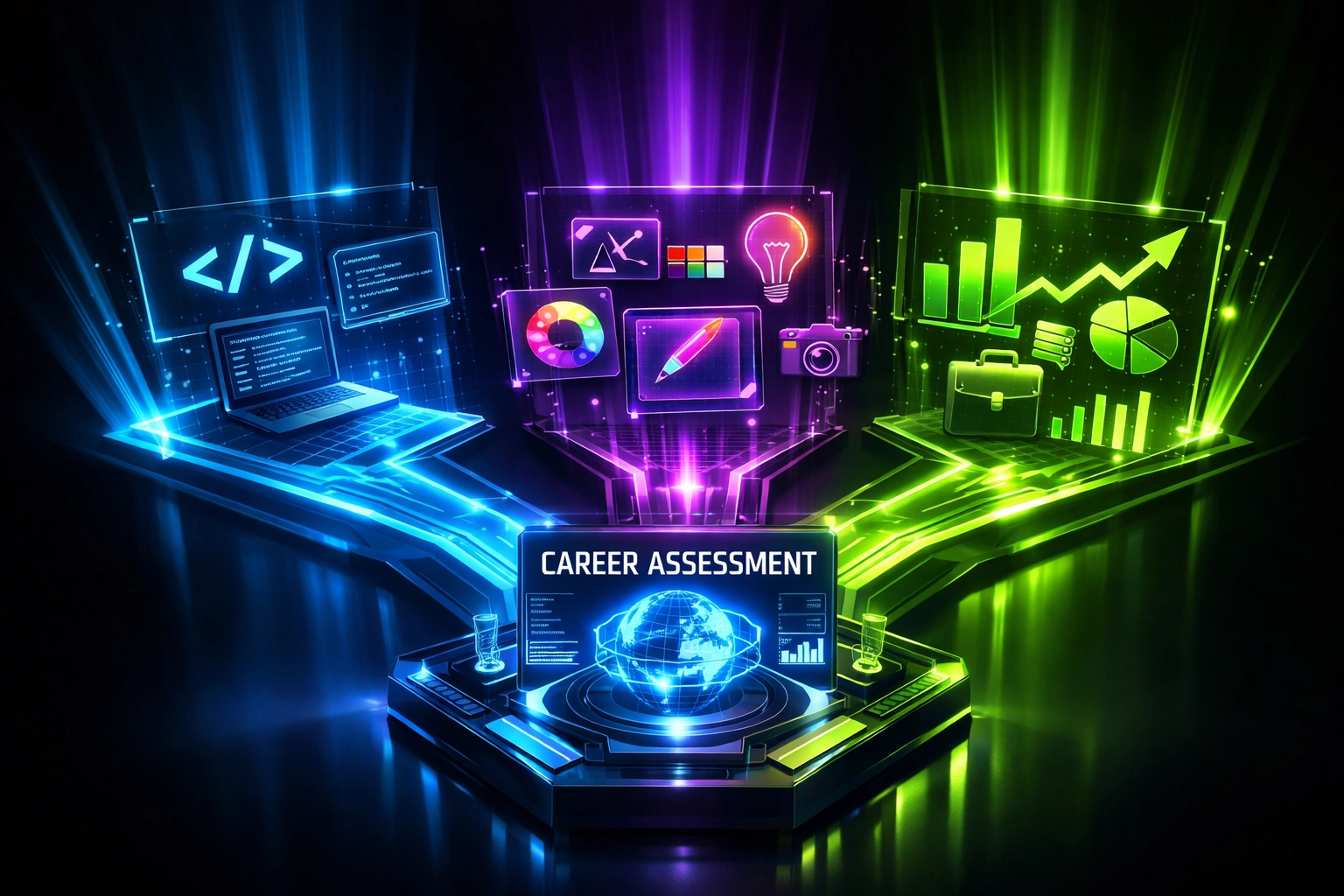
The fix: Deploy custom AI solutions calibrated to specific career paths. Use NLP solutions to analyze student responses against real job requirements, not academic frameworks. If your marketing students can't articulate a go-to-market strategy in language that matches industry standards, your assessment should flag that gap immediately.
Build assessments that mirror actual work scenarios. Test nursing students on patient interaction protocols. Evaluate engineering candidates on specification interpretation. Make finance majors demonstrate risk analysis using current market data.
Industry-aligned AI assessments don't just measure readiness, they define it.
Mistake #2: You're Testing Knowledge When Employers Need Application
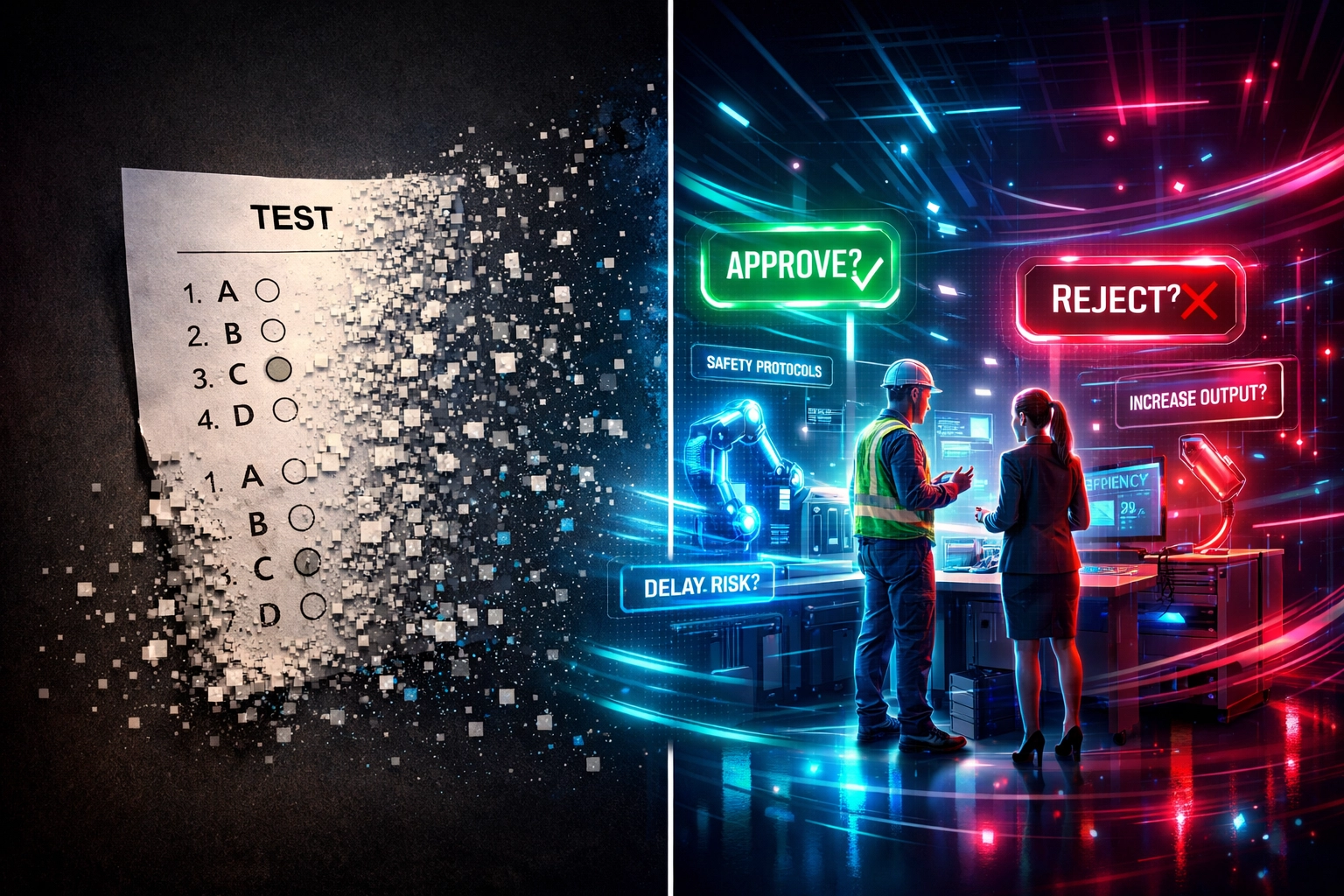
Multiple choice questions about "workplace ethics" are meaningless. Employers don't care if students can identify the definition of stakeholder management, they need people who can actually manage stakeholders under pressure.
Your AI assessments are stuck in knowledge-verification mode while the job market demands execution capability.
The damage: Students graduate with perfect test scores and zero ability to apply concepts in messy, real-world contexts. Your 4.0 GPA student bombs their first client presentation because knowing about communication frameworks isn't the same as communicating under scrutiny.
The fix: Build AI-powered simulation assessments that evaluate performance, not memorization. Use ai automation to create dynamic scenarios that adapt based on student decisions, exactly like real work situations.
Instead of "What are the steps in project management?" ask students to manage a simulated project where scope changes, stakeholders conflict, and deadlines shift. Let AI analyze their decision patterns, communication style, and problem-solving approach under realistic constraints.
This is where intelligent automation solutions separate institutions that produce job-ready graduates from those churning out credential-holders who can't execute.
Mistake #3: You're Treating Assessment as a One-Time Event Instead of Continuous Development
You assess students at the end of semester three. They get a score. Maybe some generic feedback. Then... nothing until graduation.
That's not assessment, that's abandonment.
The gap between "assessed" and "improved" is where student careers go to die. Your AI assessment identified weak presentation skills in February, but your student walks into their May internship interview still fumbling through slides because no one built a development pathway from that data point.
The fix: Create continuous feedback loops powered by AI automation. Every assessment should trigger personalized improvement pathways. Weak technical communication? The system automatically recommends specific workshops, connects students with peer mentors, and schedules follow-up micro-assessments to track progress.
Use NLP solutions to analyze improvement trajectories, not just final scores. Students who show consistent growth in targeted areas often outperform naturally talented candidates who plateau. Your AI should surface those patterns and help students demonstrate improvement narratives to employers.
Mistake #4: You're Measuring Academic Performance Instead of Industry Requirements
Your faculty designed the assessment rubric. That's the problem.
Academic excellence and workplace readiness aren't the same thing. Your philosophy major who writes brilliant theoretical papers might struggle to write a clear executive summary. Your engineering student who aces differential equations might freeze when asked to explain technical concepts to non-technical stakeholders.
The damage:The campus-to-career gap keeps widening because you're optimizing for metrics employers don't value.
The fix: Co-design AI assessments with actual employers in your students' target industries. Use custom AI solutions to analyze thousands of job descriptions, performance reviews, and hiring manager feedback to identify what really matters.
Build assessments that evaluate:
Communication clarity (Can they explain complex ideas simply?)
Adaptability markers (How do they respond when assumptions prove wrong?)
Collaboration signals (Do they credit others, seek input, build consensus?)
Initiative patterns (Do they identify problems before being told?)
Professional judgment (Can they distinguish urgent from important?)
These aren't soft skills, they're make-or-break differentiators that traditional assessments completely miss.
Mistake #5: You're Delivering Scores Without Context or Actionability
"Your Industry Readiness Score is 68%." Great. Now what?
Students stare at numbers they don't understand, with no clear pathway to improvement. It's like telling someone they're "moderately healthy" without explaining what that means or how to get healthier.
The damage: Assessment becomes demotivating noise instead of motivating guidance. Students either dismiss the scores as irrelevant or panic without knowing how to respond productively.

The fix: Every AI assessment must deliver three things:
Specific gaps (not "communication needs work" but "you use 40% more jargon than successful candidates in technical explanations")
Concrete actions (not "improve leadership" but "lead the next team project and request feedback on delegation specifically")
Progress metrics (not "keep trying" but "if you demonstrate these three behaviors in your next assessment, you'll move from 68% to 78%")
Use intelligent automation solutions to generate personalized development plans automatically, but make them specific, actionable, and tied to real career outcomes. Connect students with targeted resources that address their unique gaps.
Mistake #6: Your AI Assessment Criteria Are Already Outdated
You built your assessment framework in 2022. The workplace has evolved. Your assessment hasn't.
Remote collaboration tools changed everything. AI literacy became non-negotiable across industries. Hybrid work demanded new communication patterns. But your AI assessment still evaluates students based on pre-pandemic workplace assumptions.
The damage: You're certifying students as "industry-ready" using yesterday's definition of readiness. Employers meet your graduates and immediately spot the disconnect.
The fix: Build self-updating assessment frameworks powered by continuous market intelligence. Your AI should automatically analyze:
Emerging skill requirements in job postings
Changing competency language in performance reviews
New tools and platforms becoming industry standard
Shifting employer priorities in hiring criteria
Use NLP solutions to process this data and flag when your assessment criteria drift out of alignment with market needs. Update quarterly, not annually. The workplace moves too fast for static assessment frameworks.
Mistake #7: You're Not Connecting Assessment Data to Tangible Outcomes
Your institution has mountains of AI assessment data. Student performance metrics, skill gap analyses, readiness scores accumulated over years. And you're doing... nothing with it.
You can't tell me which specific readiness improvements correlate with job offers. You don't know which skill gaps predict internship success. You're collecting data without extracting insight, the most expensive form of waste in education technology.
The damage: You can't prove your assessments matter. When budgets tighten or leadership questions ROI, you have impressive dashboards but zero outcome correlation. Meanwhile, students don't see the connection between assessment performance and career success, so they don't take it seriously.
The fix: Build outcome tracking into your AI assessment ecosystem from day one. Connect readiness scores to:
Job offer rates and timelines
Starting salary ranges
Employer satisfaction ratings
First-year retention rates
Promotion velocity
Use ai automation to analyze which assessment improvements predict which career outcomes. When students see that candidates who improved their "stakeholder communication" score by 15+ points got offers 40% faster, they suddenly care about that feedback.
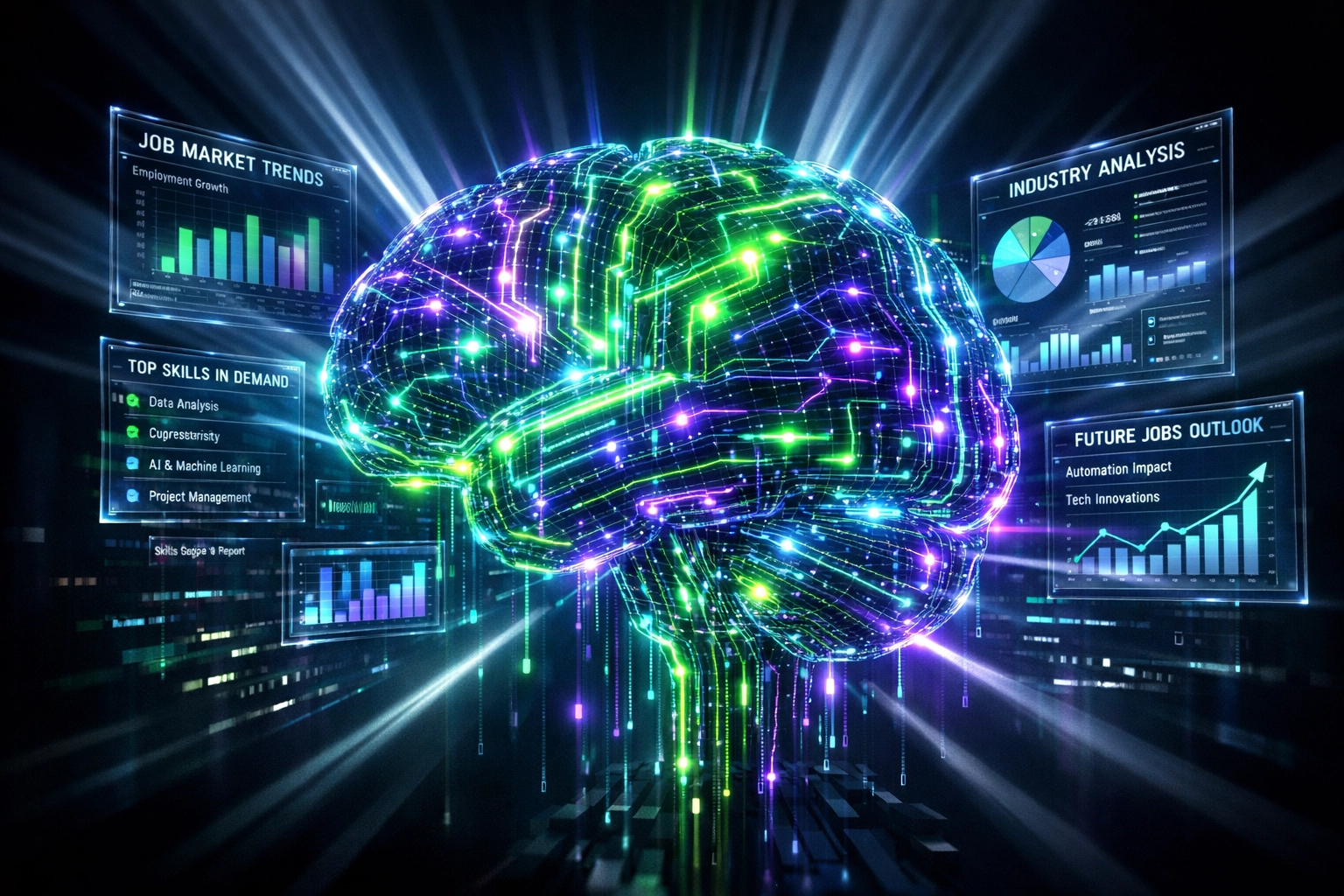
Share this data transparently. Show students exactly how readiness improvements translate to career advantages. Create benchmark reports comparing outcomes across readiness levels.
Prove your assessments predict success, or fix them until they do.
The Bottom Line: AI Assessment Done Right Changes Everything
Here's what happens when you fix these mistakes:
Your students stop seeing assessments as hoops to jump through and start using them as career development tools. Your placement rates climb because graduates can articulate specific capabilities employers value. Companies stop complaining about candidate quality because your assessment data speaks their language.
And when someone asks "Are your graduates really industry-ready?", you don't just say yes. You show them the data proving it.
The institutions winning the campus-to-career battle aren't using more AI: they're using it smarter. They're deploying custom AI solutions that align with actual market needs, creating continuous feedback loops that drive real improvement, and connecting assessment data to outcomes that matter.
Your next graduating class deserves better than broken assessments and vague readiness scores. They deserve AI-powered evaluation that actually prepares them for the careers they want.
Fix these seven mistakes before graduation. Your students: and their future employers( will thank you.)
Comments