7 Mistakes You're Making with Campus-to-Career Prep (and How AI Assessments Fix Them)
- Monish Kumar

- Feb 4
- 6 min read
Here's the uncomfortable truth: your campus-to-career strategy is broken. You're throwing resources at outdated career counseling, generic resume workshops, and career fairs that feel more like speed dating disasters than actual talent pipelines. Meanwhile, your newest hires still show up on Day 1 completely unprepared for the real world.
The gap between campus and career isn't closing: it's widening. And traditional prep methods? They're not just failing. They're making it worse.
Enter AI assessments: the intelligent automation solutions that are quietly revolutionizing how students transition from lecture halls to boardrooms. These aren't your grandfather's personality tests. We're talking custom AI solutions powered by NLP that analyze everything from technical skills to soft skill readiness, delivering personalized roadmaps that actually prepare students for what's coming.
Let's break down the seven biggest mistakes you're making: and how AI fixes them before they cost you another unprepared hire.
Mistake #1: Treating Career Prep Like a Senior Year Problem
You know what happens when students wait until their final semester to think about careers? Panic. Scrambling. Generic applications to 200 companies with a 2% response rate.
The traditional approach: Career services schedules a few workshops during senior year. Students show up (maybe), update a resume template from 2015, and pray something sticks.
Why this fails: By senior year, it's too late. The students with multiple internships already lined up? They started planning in their first year. The ones scrambling? They're the ones you'll hire, then spend six months training because they have zero industry readiness.
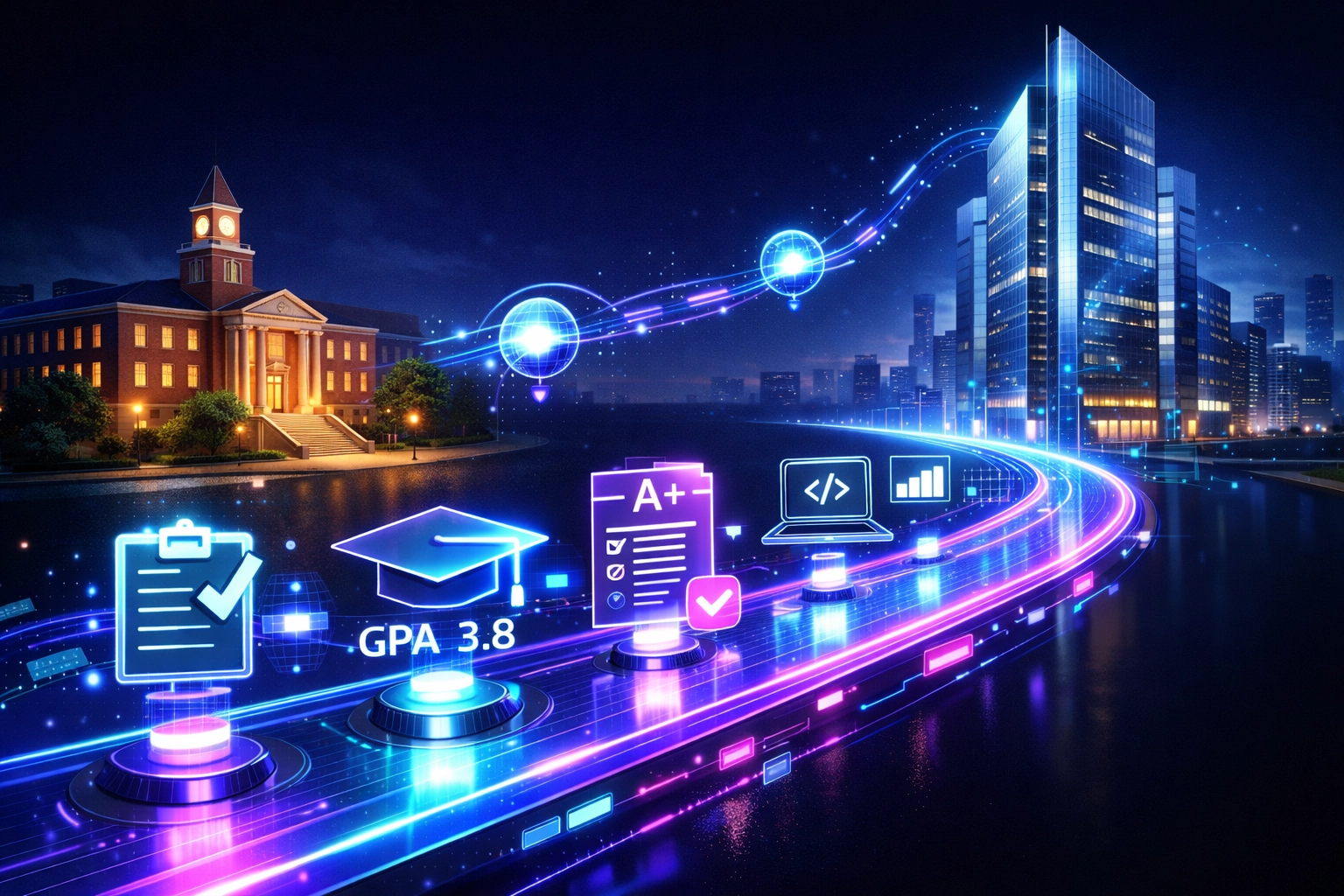
How AI assessments fix it: Intelligent automation solutions can assess students from Day 1 of freshman year: identifying skill gaps, career alignment, and readiness benchmarks early. These systems create multi-year development roadmaps that evolve as students progress. Think of it as a Readiness Score that tracks growth across every semester, not just a snapshot during graduation week.
When students get continuous feedback powered by NLP solutions that understand their unique strengths and blind spots, they don't wait. They act.
Mistake #2: Prioritizing Grades Over Real-World Experience
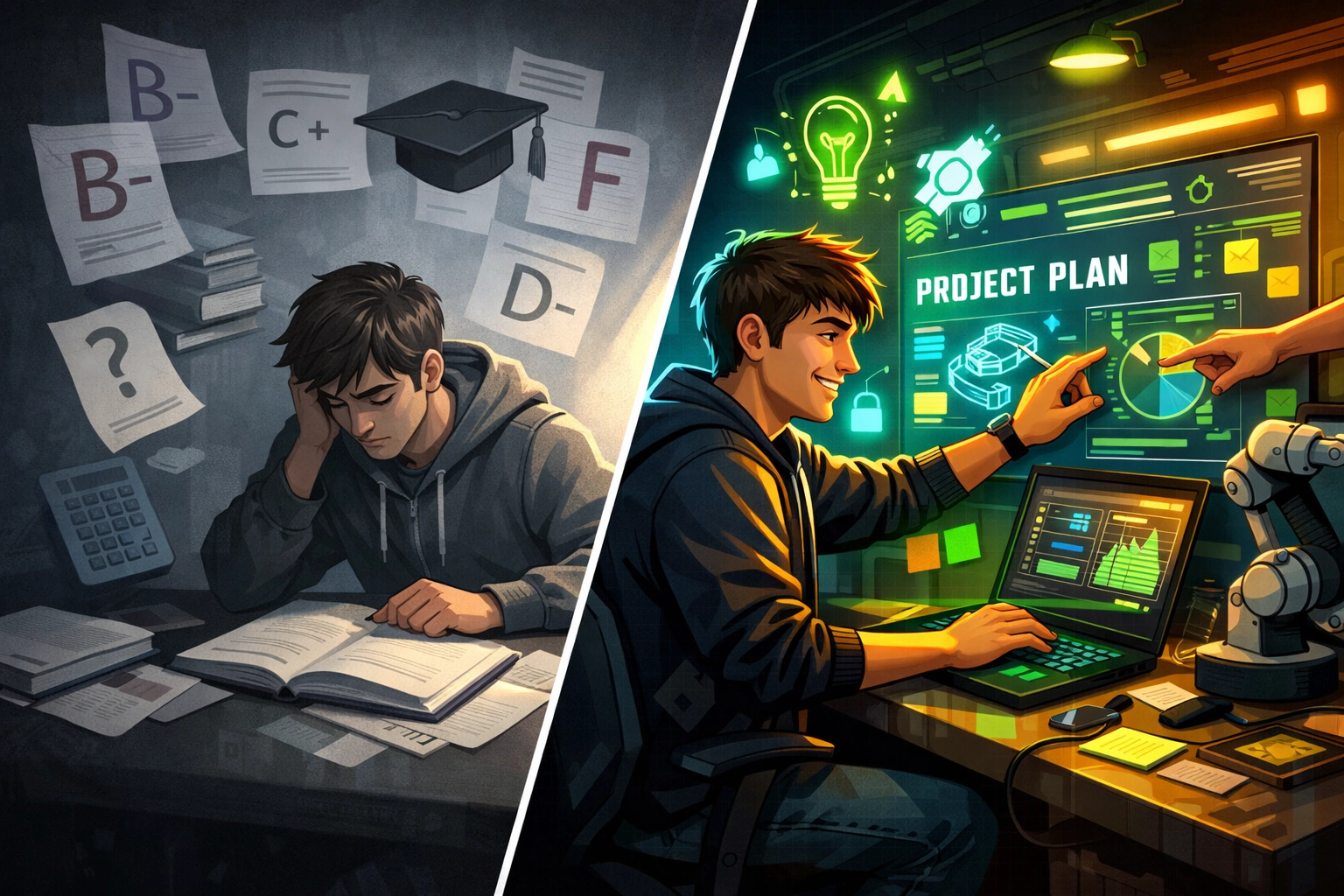
Here's a secret that academia won't tell you: a 4.0 GPA means nothing if you can't collaborate on a project or communicate with a client.
The traditional approach: Students obsess over grades. Universities reward academic performance. Practical experience gets pushed to "optional" status. Everyone loses.
Why this fails: Employers don't hire GPAs. They hire problem-solvers who've navigated real projects, worked with teams, and delivered under pressure. Your straight-A student who's never touched an internship? They're going to struggle: hard.
How AI assessments fix it: Custom AI solutions can analyze a student's portfolio of experiences: internships, projects, volunteer work, even side hustles: and quantify their practical readiness. These assessments don't just check boxes. They evaluate the quality and relevance of experiences using AI automation that scans project descriptions, measures skill application, and benchmarks against industry standards.
Students get real-time feedback: "Your coursework is strong, but you're 40% behind peers in hands-on experience. Here are three internship paths that close this gap."
That's actionable. That's game-changing.
Mistake #3: Ignoring Soft Skills Until It's Too Late
Technical skills get you in the door. Soft skills determine whether you stay in the room.
The traditional approach: Career prep focuses on hard skills: coding, data analysis, engineering principles. Soft skills? Maybe there's a "communication workshop" buried somewhere in orientation week that nobody attends.
Why this fails: You can teach someone Python in three months. You cannot teach someone how to not be a nightmare to work with. Employers consistently report that attitude, collaboration, and emotional intelligence are the deciding factors in long-term success: but these are the exact areas students neglect.
How AI assessments fix it: NLP solutions can analyze written responses, video interviews, and collaborative exercises to measure soft skills like empathy, adaptability, and communication clarity. These aren't subjective gut-feel evaluations: they're data-driven insights that identify specific improvement areas.
Imagine a student receiving feedback like: "Your technical problem-solving scored 92%, but your teamwork communication is at 61%. Here's a personalized module to improve active listening and conflict resolution."
That's precision. That's how you build well-rounded professionals, not just walking résumés.
Mistake #4: Letting Students Skip Networking Because It Feels "Uncomfortable"
Networking isn't optional. It's the hidden job market where 70% of positions get filled before they're ever posted publicly.
The traditional approach: Career services tells students to "network more." Maybe there's a LinkedIn workshop. Maybe students exchange awkward business cards at a mixer. Most do nothing because it feels forced and terrifying.
Why this fails: Students who avoid networking miss mentorship, insider knowledge, referrals, and the actual jobs. By the time they realize networking matters, their peers with strong networks have already secured offers.
How AI assessments fix it: AI-powered platforms can identify networking readiness: measuring students' ability to craft compelling introductions, maintain professional relationships, and leverage connections strategically. These intelligent automation solutions can even simulate networking scenarios, providing real-time feedback on communication style and relationship-building effectiveness.
Better yet? AI assessments can match students with relevant industry professionals based on career goals, skills, and personality alignment: removing the guesswork and fear from cold outreach.
You're not fixing networking by telling students to "do more of it." You're fixing it by giving them structured pathways and confidence-building tools.
Mistake #5: Letting External Pressure Drive Career Choices
"My parents want me to be a doctor." "Everyone says tech is where the money is." "I'm doing finance because it sounds impressive."
Sound familiar?
The traditional approach: Career counselors ask students what they want to do. Students say what they think they should want to do. Everyone pretends this is fine. Two years into their first job, burnout hits like a freight train.
Why this fails: Misalignment between personal strengths and career paths leads to disengaged employees, high turnover, and wasted talent. When students chase prestige or parental approval instead of genuine fit, everyone loses.
How AI assessments fix it: Custom AI solutions can evaluate students' actual strengths, working styles, values, and interests: not what they think they should care about. These assessments cut through bias and external pressure, delivering insights like: "Your analytical skills and preference for independent work suggest a stronger fit in data science than client-facing consulting roles."
This isn't about limiting options. It's about illuminating the paths where students will actually thrive: not just survive.
When students pursue careers aligned with their authentic strengths, they don't burn out. They excel.
Mistake #6: Ignoring Digital Personal Branding Until the Damage Is Done
Employers Google you. Recruiters scan your LinkedIn. Your online presence isn't a "nice-to-have": it's your first impression.
The traditional approach: Maybe there's a workshop on "cleaning up your social media." Maybe a career counselor mentions LinkedIn. Most students ignore it until they're applying for jobs and realize their digital footprint is either nonexistent or embarrassing.
Why this fails: In a world where hiring decisions increasingly start with online research, an absent or unprofessional digital presence is a dealbreaker. Students who don't intentionally build their brand get overlooked: no matter how qualified they are.
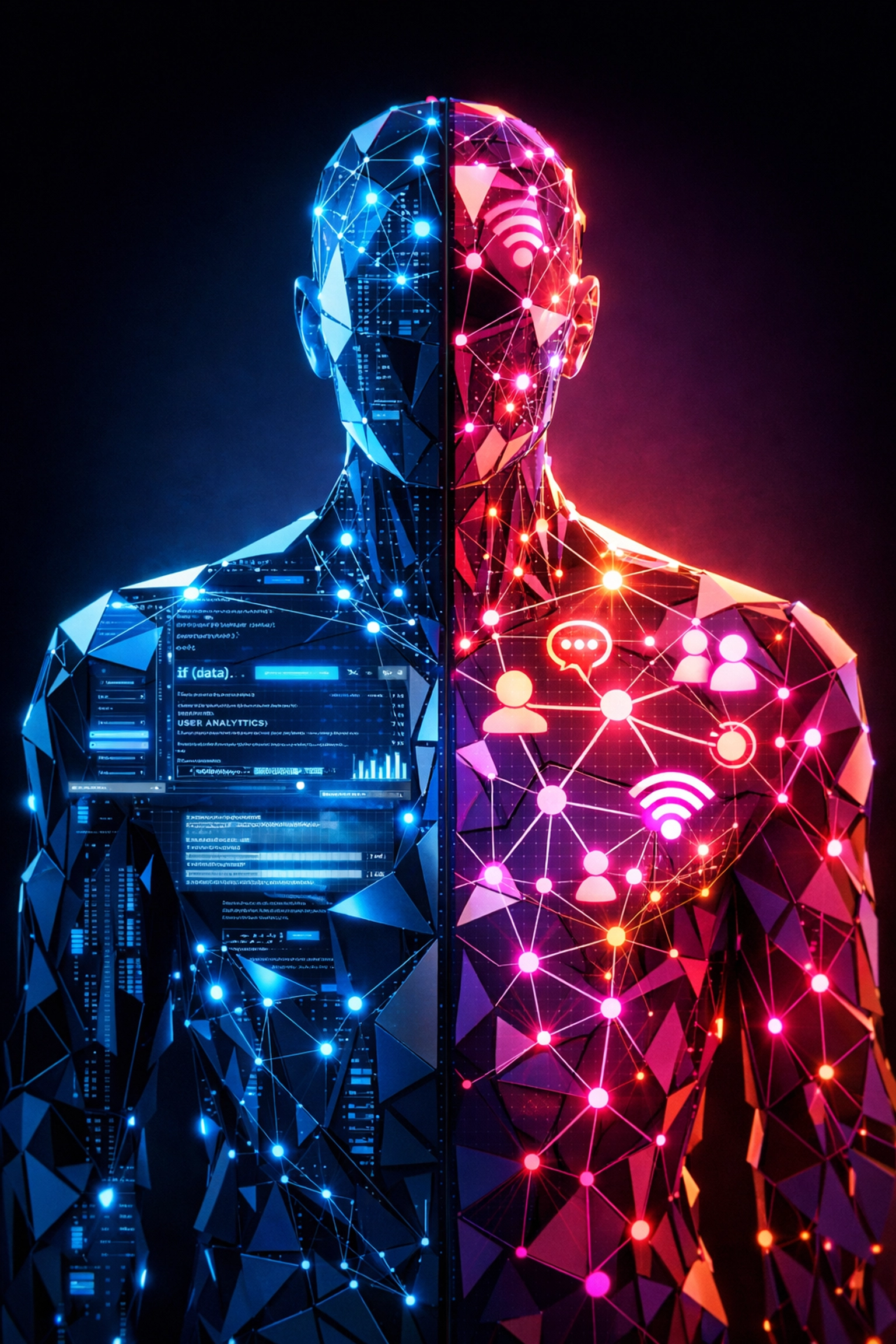
How AI assessments fix it: AI automation can analyze students' online presence across platforms: LinkedIn, GitHub, personal websites, even social media: and provide actionable feedback on professionalism, visibility, and content strategy. These assessments identify gaps: "Your LinkedIn profile is incomplete. Your GitHub shows zero recent activity. Your Twitter feed undermines your professional image."
Beyond diagnosis, these intelligent automation solutions can generate personalized recommendations: which skills to highlight, what content to share, how to optimize profiles for discoverability.
You're not telling students to "be more professional online." You're giving them a roadmap to build a compelling digital brand that opens doors.
Mistake #7: Encouraging Students to Compare Themselves to Peers
Nothing kills motivation faster than watching your classmate land their dream job while you're still waiting for a callback.
The traditional approach: Students measure success against their peers' timelines. They see someone get hired at a top company and spiral into self-doubt. Career services offers generic reassurance: "Everyone's journey is different." Students don't believe it.
Why this fails: Comparison breeds anxiety, not progress. When students focus on others' achievements instead of their own growth, they miss opportunities to develop unique strengths and pursue unconventional paths that might be better fits.
How AI assessments fix it: AI-powered readiness tracking shifts focus from peer comparison to personal progress. Students receive individualized benchmarks based on their own starting point, goals, and development trajectory: not someone else's path.
These systems celebrate incremental wins: "Your communication skills improved 18% this semester. Your project portfolio is now competitive for mid-tier firms." That's progress you can measure and trust.
When students stop comparing and start improving, the transition from campus to career becomes less terrifying and more achievable.
The Bottom Line: AI Assessments Aren't a Luxury: They're a Competitive Advantage
Traditional campus-to-career prep is reactive, generic, and ineffective. AI assessments? They're proactive, personalized, and proven.
The gap between campus and career is costing companies millions in lost productivity and turnover. But here's the truth: you don't have to accept it.
Custom AI solutions powered by intelligent automation are already transforming how forward-thinking institutions prepare students for the real world. These aren't science fiction tools: they're plug-and-play systems delivering measurable results today.
Stop settling for outdated prep methods that waste time and talent. Start leveraging AI automation that identifies gaps, builds skills, and delivers industry-ready professionals from Day 1.
Because in 2026, the question isn't whether AI assessments work. It's whether you can afford to keep ignoring them.
Ready to close the gap? Let's talk.
Comments