7 Brutal Campus-to-Career Mistakes Companies Make (And How AI Assessments Fix Them Fast)
- Monish Kumar

- Jan 31
- 5 min read
Let's be honest: your campus hiring program is bleeding money.
You're recruiting from top universities, offering competitive packages, and your HR team is working overtime. But six months later? Half your fresh hires are still struggling with basic tasks. The other half have already quit. And you're left wondering why the "talent pipeline" feels more like a leaky bucket.
The campus-to-career gap isn't just real: it's brutal. And most companies are making the same seven mistakes over and over again, throwing good money after bad hires.
Here's the truth: traditional hiring methods were built for a different era. But intelligent automation solutions and AI assessments are flipping the script: fast. Let's break down where you're going wrong and how custom AI solutions can fix it before your next hiring cycle.
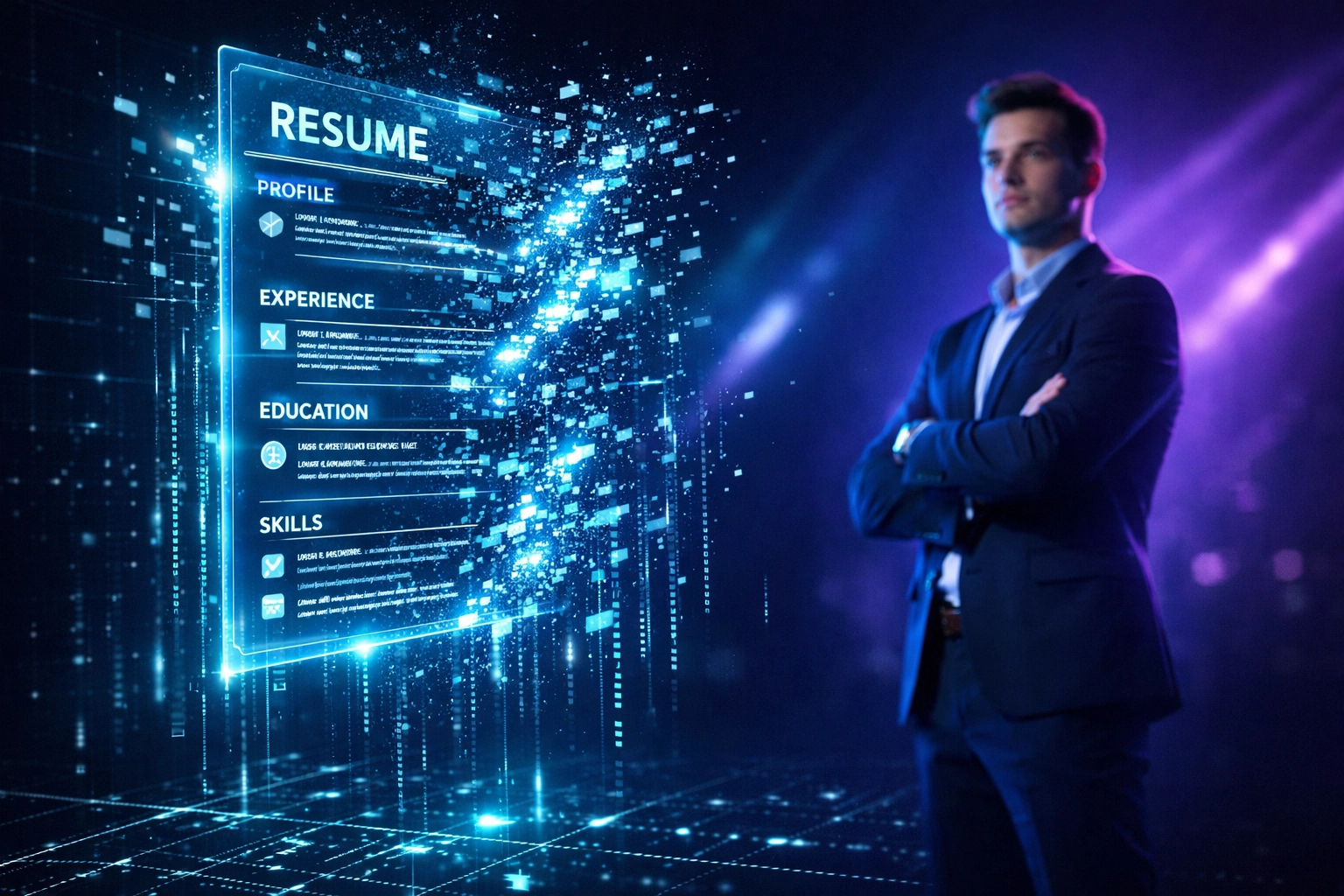
Mistake #1: You're Still Judging Candidates by Resumes and GPAs
Your hiring managers love a clean resume. A 3.8 GPA from a prestigious university? Chef's kiss. But here's what they're missing: none of that tells you if the candidate can actually do the job.
GPAs measure test-taking ability. Resumes measure how well someone can format a document in Canva. Neither predicts real-world performance, problem-solving under pressure, or how quickly someone adapts to your tech stack.
The AI Fix:
AI-powered assessments evaluate actual competencies: not credentials. Using nlp solutions and adaptive testing frameworks, you can measure technical skills, critical thinking, and even communication patterns in real-time. These aren't multiple-choice tests your grandfather took. They're dynamic, scenario-based evaluations that mirror real job challenges.
The result? You get a Readiness Score that actually predicts Day One performance. Not gut feelings. Not pedigree bias. Just data.
Mistake #2: Your Interview Process is a Generic Time-Waster
Let's paint a picture: every candidate gets the same behavioral questions. "Tell me about a time you overcame a challenge." "Where do you see yourself in five years?"
Your interviewers nod politely, scribble notes, and then compare their gut feelings in a conference room. This isn't talent evaluation: it's a coin flip with extra steps.
The AI Fix:
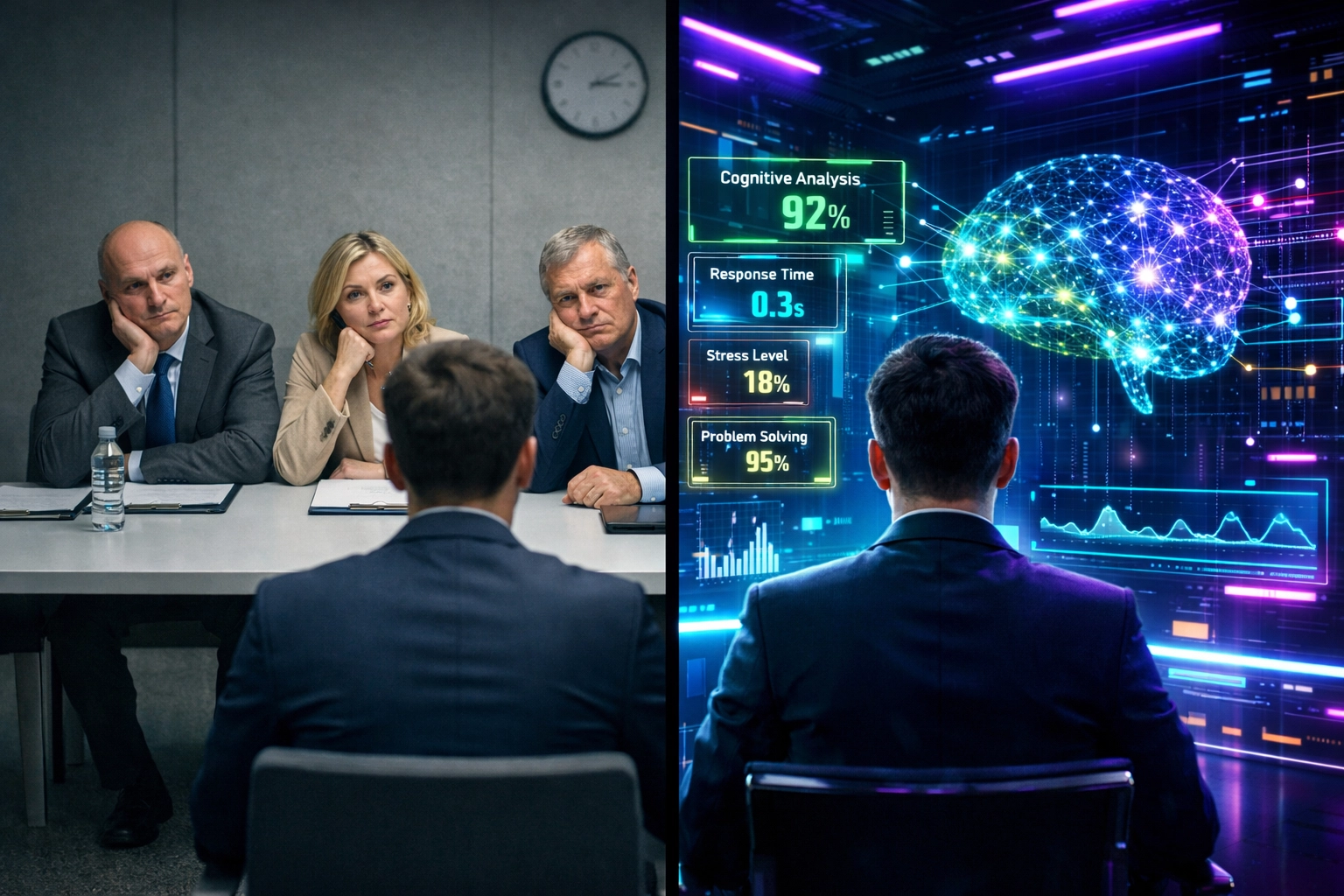
Custom AI solutions can standardize and scale your interview process without losing the human touch. AI-driven video assessments analyze not just what candidates say, but how they say it. Sentiment analysis dashboards flag confidence levels, communication clarity, and even stress responses.
Combine that with role-specific technical simulations, and you're not just hearing about past achievements: you're watching candidates perform in real-time. AI automation handles the scoring, flagging top performers instantly while your team focuses on final conversations with the real contenders.
Mistake #3: You Don't Know the Skills Gap Until It's Too Late
Here's the nightmare scenario: you hire a promising computer science grad. They ace the interview. References check out. But three weeks in, they're drowning in your codebase because they've never touched your frameworks, don't understand version control, and can't debug production issues.
You don't discover the skills gap until after onboarding. By then, you've already invested thousands in recruiting, training, and lost productivity.
The AI Fix:
AI assessments reveal skills gaps before the offer letter goes out. Knowledge-first RAG systems can evaluate technical depth by grounding assessments in your actual tech stack, workflows, and business logic.
Want to know if a candidate can work with your proprietary tools? Test them on simulations trained on your company's data: securely and privately. Autonomous AI agents can even create personalized pre-boarding learning paths, so new hires arrive ready to contribute from Day One.
This isn't guesswork. It's precision hiring powered by intelligent automation solutions.
Mistake #4: You Assume "Fresh Grads Are Blank Slates"
There's a myth that entry-level hires are moldable clay: eager, coachable, and ready to absorb your company culture. But the reality? They arrive with biases, outdated academic knowledge, and wildly varying skill levels depending on their university curriculum.
Some are ready to code production-level features. Others are still Googling "what is an API."
Treating them all the same is organizational malpractice.
The AI Fix:
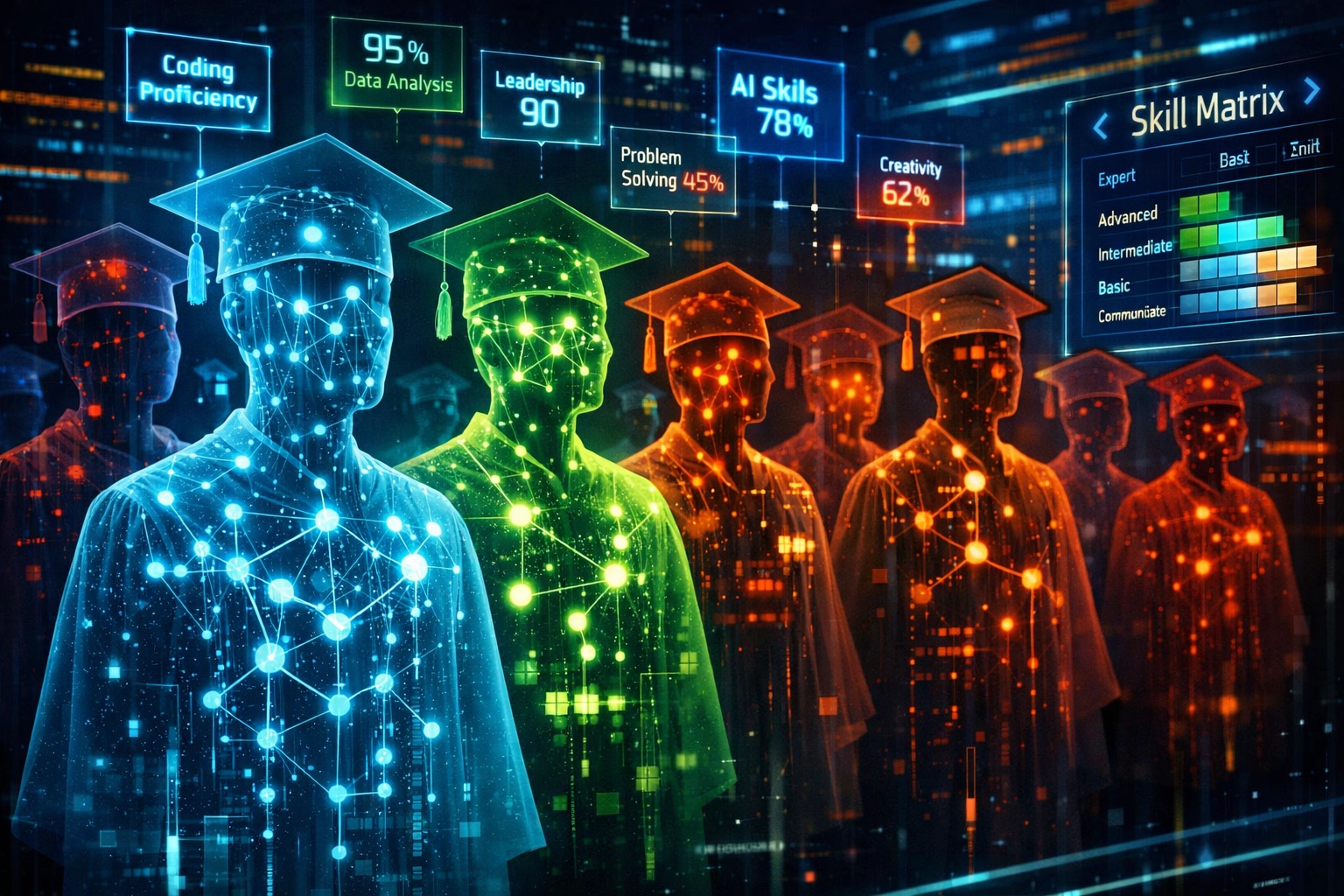
AI-driven readiness assessments categorize candidates into skill tiers before they start. You're not making assumptions: you're working with a detailed competency profile that maps strengths, weaknesses, and learning velocity.
This means you can tailor onboarding tracks. High performers skip the basics and jump into complex projects. Candidates with gaps get targeted upskilling through AI training modules that adapt in real-time.
The outcome? Faster ramp-up times. Less frustration. Higher retention. And you're not wasting senior engineers babysitting hires who should've been flagged earlier.
Mistake #5: Your Onboarding is One-Size-Fits-All
Every new hire gets the same slide deck. The same training videos. The same 90-day plan. It doesn't matter if they're a coding prodigy or someone who barely scraped through algorithms class: everyone gets the exact same experience.
This is insanity. And it's costing you top talent who get bored or underperformers who never catch up.
The AI Fix:
Hyper-personalized onboarding powered by AI automation changes everything. Using data from pre-hire assessments, you can dynamically generate learning paths tailored to each individual's Readiness Score.
Need to upskill someone on Python? The AI agent deploys interactive coding challenges with instant feedback. Someone struggling with client communication? NLP-driven role-play simulations train soft skills at scale.
Custom AI solutions don't just assess: they teach. And they do it 10x faster than traditional training programs. You're not just onboarding. You're accelerating competency at scale.

Mistake #6: You Have No Baseline Readiness Metrics
Here's a question: when you hire a campus grad, what does "success" look like at 30, 60, or 90 days?
If your answer is vague: "they're doing well" or "they're figuring it out": you don't have a measurement problem. You have a management problem.
Without baseline metrics, you can't track growth. You can't identify at-risk employees early. And you can't optimize your hiring funnel because you have no idea which selection criteria actually predict performance.
The AI Fix:
AI assessments generate a Readiness Score at hire: a quantifiable baseline that tracks technical skills, adaptability, and learning agility. Post-hire, intelligent automation solutions monitor progress through real-time performance data: project completion rates, code quality, collaboration metrics, and more.
You're not relying on quarterly reviews and subjective manager feedback. You're using continuous AI-driven analytics to spot trends, predict retention risks, and double down on what's working.
This is how you turn hiring from a gamble into a science.
Mistake #7: You're Ignoring Soft Skills (And It's Killing Team Dynamics)
Technical chops matter. But you know what sinks projects faster than bad code? Poor communication. Lack of accountability. Inability to work cross-functionally.
Most campus hiring focuses almost exclusively on hard skills. Soft skills? Those are treated as "nice to haves" that you hope candidates pick up over time. Spoiler: they don't.
The AI Fix:
Multimodal AI assessments analyze communication patterns, collaboration styles, and emotional intelligence during pre-hire evaluations. Sentiment analysis dashboards flag candidates who might struggle in team environments or high-pressure situations.
Voice AI agents can even conduct behavioral simulations: role-playing customer calls, stakeholder meetings, or conflict resolution scenarios: with real-time scoring on tone, clarity, and empathy.
You're not just hiring for today's skillset. You're hiring for long-term adaptability and culture fit: backed by data, not gut instinct.
The Bottom Line: Stop Guessing. Start Assessing.
Campus hiring doesn't have to be a crapshoot. The companies winning the war for early-career talent aren't the ones with the biggest budgets or the flashiest perks. They're the ones using AI assessments to make smarter, faster, data-driven decisions.
You can keep throwing resumes at the wall and hoping something sticks. Or you can leverage intelligent automation solutions that predict performance, close skills gaps before Day One, and scale your hiring without sacrificing quality.
The campus-to-career gap is brutal: but it's fixable. And the fix isn't more recruiters. It's smarter technology.
Ready to stop making these mistakes? Explore how LoudMindAI's custom AI solutions can transform your campus hiring program( before your competition does.)
Comments