10 Reasons Your Campus-to-Career Pipeline is Broken (And How AI Assessments Fix It)
- Monish Kumar

- Feb 26
- 5 min read
Let’s stop pretending the current campus recruitment model works. It doesn’t.
You spend thousands on career fairs, filter through ten thousand identical resumes using outdated NLP solutions, and end up with a "top-tier" graduate who doesn’t know how to manage a basic project timeline or communicate with a client.
The "Campus-to-Career" pipeline isn't just leaking: it’s fundamentally broken. On one side, you have students who are academically brilliant but professionally illiterate. On the other, you have companies desperate for talent but stuck using hiring methods from the 1990s.
At LoudMindAI, we see the data. We know why the bridge is collapsing. Here are the 10 brutal reasons your pipeline is failing, and how intelligent automation solutions are the only way to build a bridge that actually holds weight.
1. The "Resume Mirage"
Students are coached to optimize for keywords, not for competence. They use AI to write their resumes, you use nlp solutions to scan them, and what you’re left with is a digital handshake between two bots: neither of which actually knows if the candidate can do the job. You aren't hiring a person; you're hiring a list of formatted buzzwords.
2. The Soft Skills Black Box
Can they handle a high-pressure deadline? Do they have the accountability to own a mistake? Traditional hiring can’t tell you. Employers consistently report massive gaps in critical thinking and workplace decorum. Because these "soft skills" are invisible on paper, you only discover the truth three months into their probation period: when it’s already too cost-prohibitive to fire them.
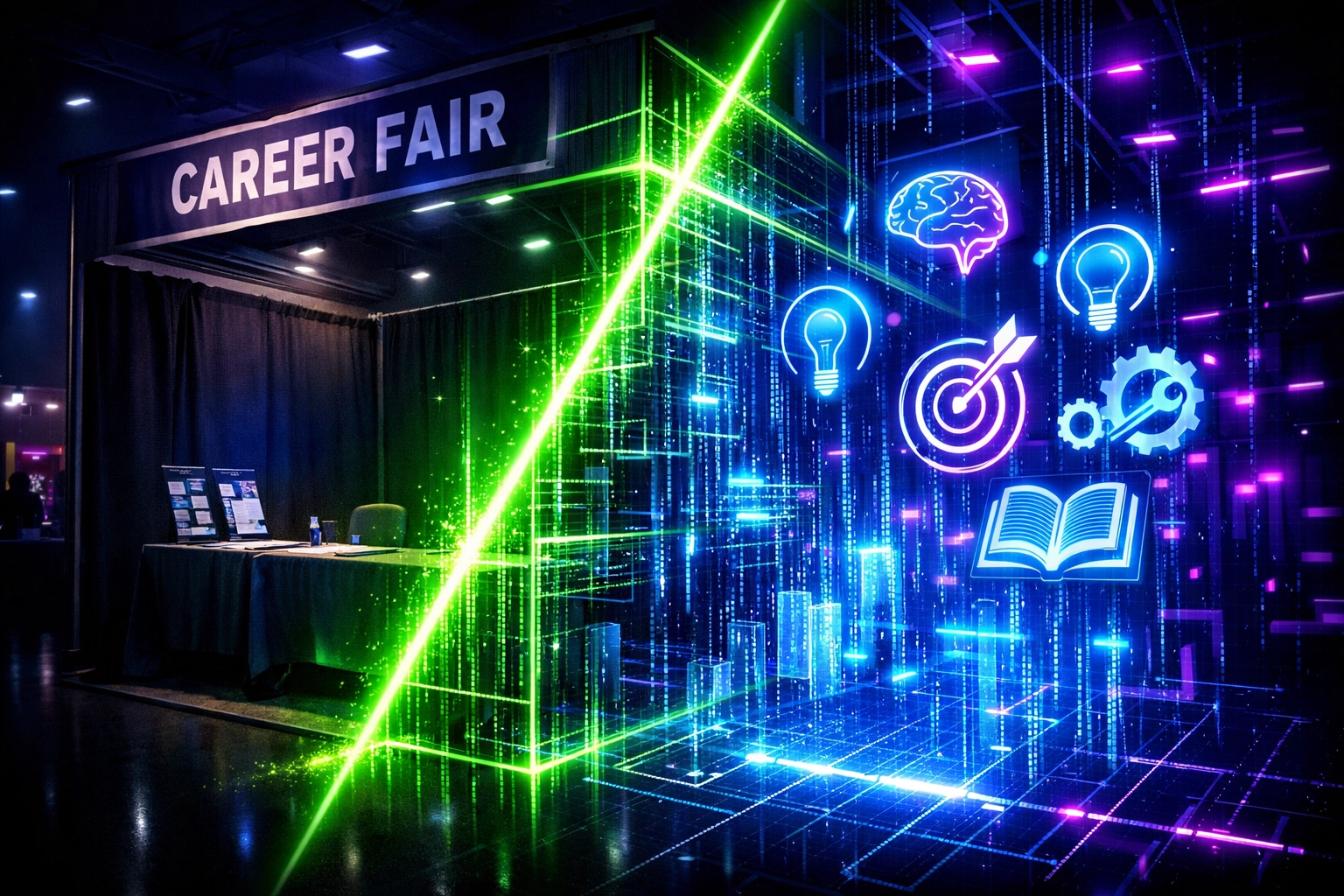
3. Your Career Fair is a Performance, Not a Filter
Let’s be real: Your career fair is a waste of time. You’re judging students based on a 30-second elevator pitch and how well they can wear a suit in a humid gymnasium. This favors the extroverted and the privileged, not necessarily the capable. It’s a vanity metric that yields zero data on actual industry readiness.
4. The Financial Barrier to "Experience"
The pipeline is skewed toward students who can afford to work for free. Unpaid internships are a gatekeeper that keeps out brilliant, high-potential talent from lower-income backgrounds. When you rely on "previous internship experience" as a primary filter, you aren't hiring for talent: you’re hiring for socioeconomic status. This creates a homogenized workforce that lacks the grit and diverse perspectives your business actually needs to innovate.
5. Career Services are Drowning
Most university career centers are severely under-resourced. They are trying to guide 10,000 students with a staff of five. They can’t provide the personalized, industry-specific feedback required to make a student "job-ready." They are teaching students how to format a PDF when they should be teaching them how to leverage custom ai solutions in a modern workflow.
6. The "Industry-Academic" Grand Canyon
Curricula move at the speed of bureaucracy; industry moves at the speed of AI. By the time a computer science curriculum is approved, the frameworks being taught are already being replaced by autonomous AI agents. Students are graduating with knowledge that is academically sound but practically obsolete.
7. Manual Screening is a Growth Killer
If your HR team is manually reviewing entry-level applications, you are losing money. It’s that simple. Manual screening is slow, riddled with unconscious bias, and physically impossible to scale. You’re likely missing out on the best 10% of candidates simply because their resumes sat at the bottom of a digital pile. This is where ai automation shifts from a "nice-to-have" to a survival requirement.
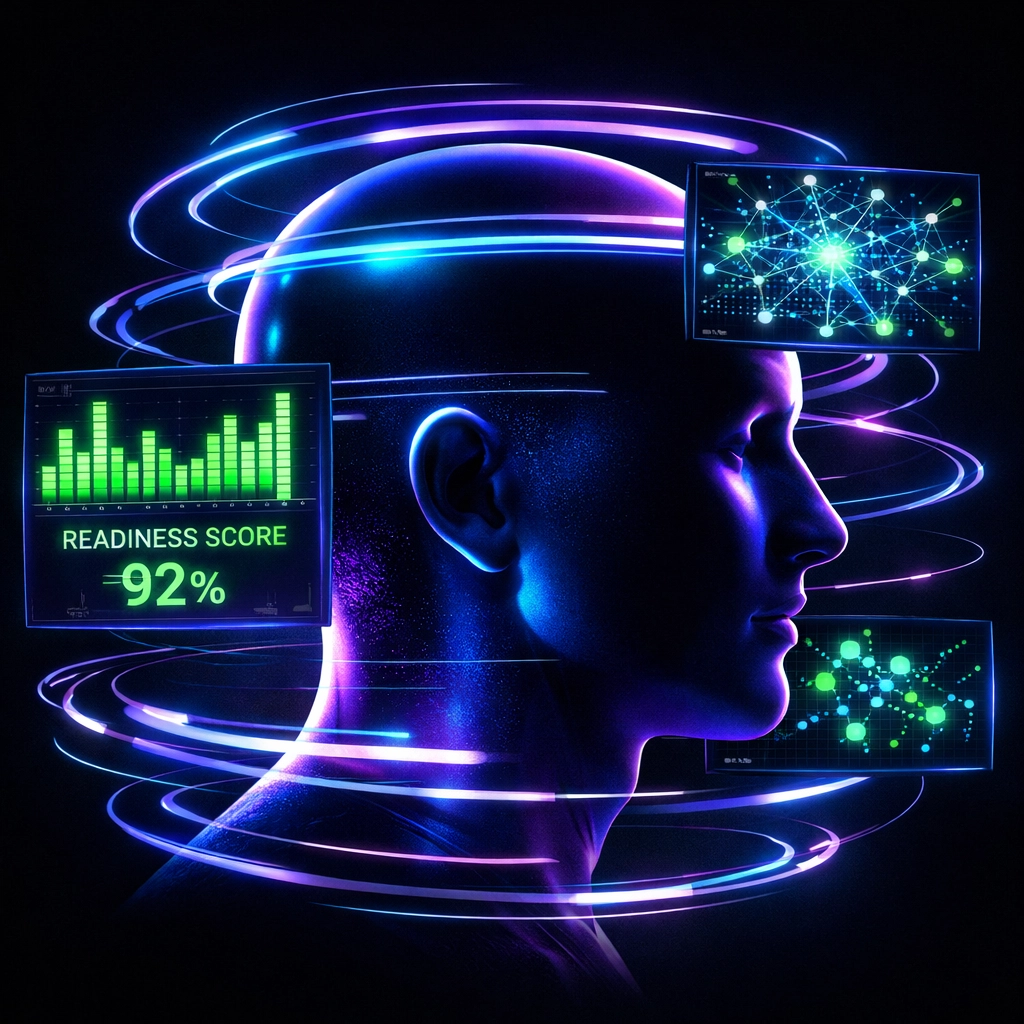
8. The Lack of a Unified "Readiness Score"
How do you quantify a student's potential? "GPA" is a measure of how well they sat in a classroom. "Major" is a broad category. Without a standardized, data-driven Readiness Score, you are basically guessing. You need a metric that combines technical skill, behavioral data, and situational judgment.
9. Feedback Loops are Non-Existent
A student applies, gets a generic "we’ve moved in another direction" email, and learns nothing. The university doesn’t know why their graduates are being rejected, so they can’t fix the curriculum. The loop is open, and the errors are compounded every single semester.
10. Information Asymmetry
Students don't know what you actually want. They think "Proficient in Excel" means they can open a spreadsheet. You think it means they can build a financial model. This disconnect leads to "The Great Disenchantment" in the first 90 days of employment.
How AI Assessments Fix the Broken Pipeline
We don't just point out the problems; at LoudMindAI, we build the solutions. The fix isn't "more recruiters": it’s intelligent automation solutions that provide deep, actionable insights before the first interview even happens.
Bridging the Gap with the Readiness Score
Imagine knowing: with 95% accuracy: how a student will perform in a real-world scenario before you even look at their name. Our AI assessments simulate actual work environments. We don't ask them "What would you do?"; we put them in a sandboxed custom ai solution and watch them do it.
This generates a Readiness Score: a holistic data point that tells you exactly where they stand in terms of technical ability and professional "soft" skills.
Why AI Assessments are the Ultimate Equalizer
Bias Elimination: AI doesn't care what a candidate's last name is or what school they went to. It only cares about the output. This is how you build a truly diverse, high-performing team.
Scalability: Whether you have 100 applicants or 100,000, ai automation handles the heavy lifting. You only spend human time on the candidates who have already proven they can handle the work.
Real-Time Feedback: Students receive immediate feedback on their performance, telling them exactly what they need to improve. This closes the loop and helps universities adjust their focus.
The ROI of Getting it Right
Stop wasting $50k per hire. Every bad hire at the entry level costs you in training, lost productivity, and eventual turnover. By using AI to bridge the campus-to-career gap, you aren't just hiring better: you're optimizing your entire talent supply chain.

Stop Guessing. Start Measuring.
The companies that will win the talent war in 2026 aren't the ones with the biggest booths at the career fair. They are the ones who have integrated custom ai solutions into their talent pipeline.
You need to move away from the "spray and pray" method of campus recruiting. It’s time to implement a system that identifies high-potential talent regardless of their background, validates their skills through rigorous AI-driven scenarios, and delivers "plug-and-play" employees to your door.
Are you ready to stop blaming the "lazy generation" and start fixing your broken systems?
Take Action:
Explore our Industry-Ready Portal to see how we’re transforming student outcomes.
Understand the 7 mistakes you're making with campus-to-career prep.
Ready to automate your talent pipeline? Book a consultation with LoudMindAI.
The future of work isn't coming; it’s here. If your hiring process still looks like it did five years ago, you’re already behind. Let’s build a pipeline that actually works.
LoudMindAI specializes in AI strategy audits, workflow automation, and custom LLM solutions designed to eliminate barriers to AI entry. Whether it's B2B efficiency or student readiness, we bring the power of intelligent automation to your doorstep.
Comments