Stop Wasting $50K Per Hire: 5 AI Assessment Secrets That Close the Campus-to-Career Gap in 30 Days
- Monish Kumar

- Feb 16
- 5 min read
You just spent six months and $50,000 onboarding a "perfect" graduate hire. Resume looked stellar. Interview went great. References checked out.
Then reality hit: they can't handle real-world workflows, freeze during client interactions, and need constant hand-holding. Three months in, they're gone. You're back to square one, down fifty grand, and your team is burned out from covering the gap.
Here's the brutal truth: The campus-to-career gap isn't a training problem. It's an assessment problem.
Traditional hiring methods: resumes, transcripts, generic interviews: measure credentials, not capability. And that disconnect is costing you a fortune in failed hires, productivity loss, and team morale.
But here's the game-changer: AI-powered assessment solutions are rewriting the rules entirely. You can now identify truly job-ready candidates in weeks, not months: and slash your hiring failure rate to near zero.
Let's break down the five AI assessment secrets that forward-thinking companies are using right now to close the campus-to-career gap and stop hemorrhaging cash on bad hires.
Secret #1: Work Simulations Beat Credentials Every Single Time
Stop relying on GPAs and polished cover letters. They tell you nothing about how someone performs under pressure with real stakeholders.
AI-powered work simulations drop candidates into role-realistic scenarios: handling an upset client, prioritizing competing deadlines, making strategic trade-offs: and score their responses against proven performance criteria, not keywords.
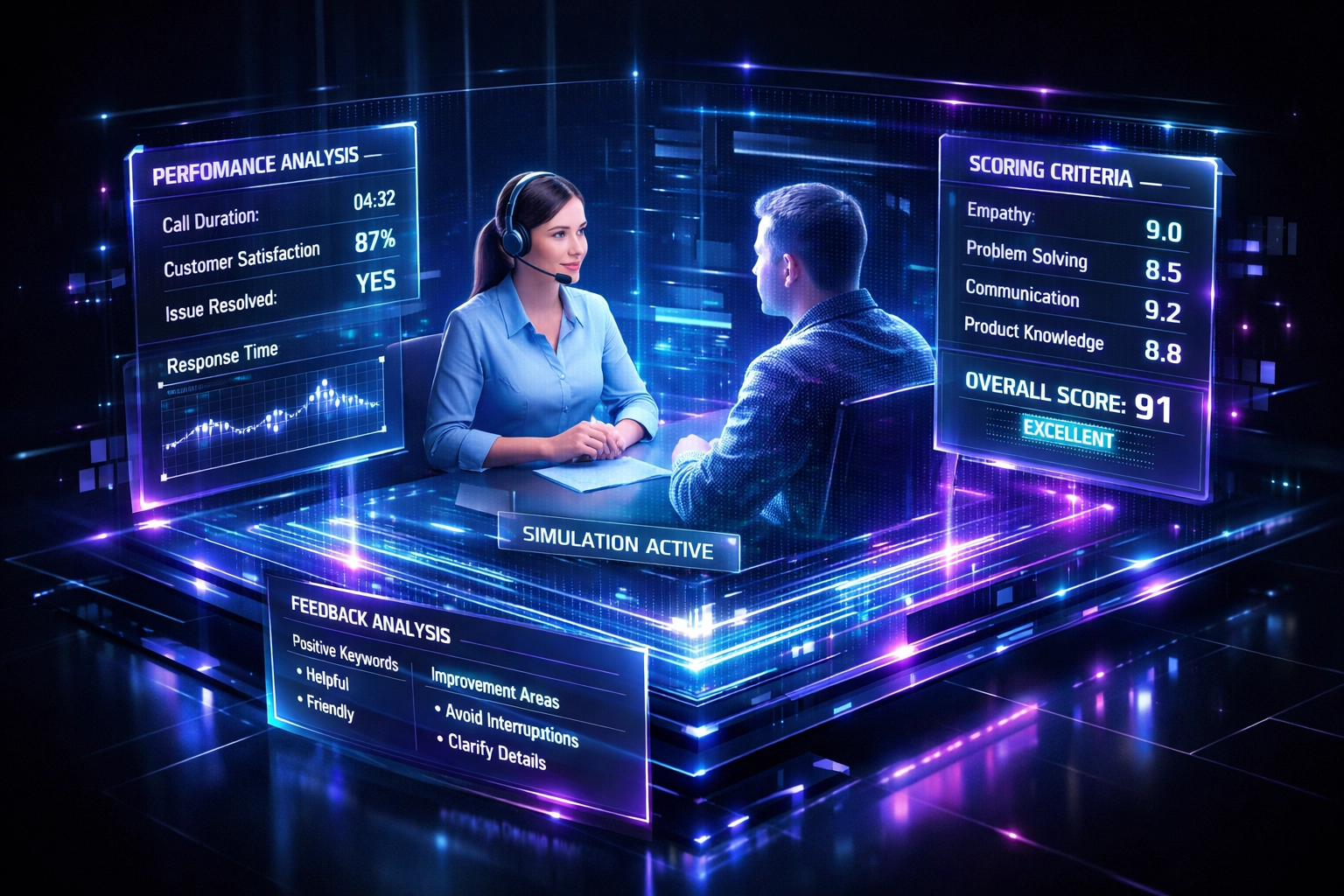
Here's why this matters: A candidate might have a 4.0 GPA but panic when a customer escalates an issue. Another might have a 3.2 but demonstrate natural problem-solving instincts that predict long-term success.
Work simulations measure what matters: judgment, prioritization, communication under pressure, and values alignment. These are the skills that separate top performers from expensive mistakes: and AI can assess them at scale with consistent, bias-reduced scoring.
Want proof? Companies using simulation-based assessments see 40-60% improvement in retention for early-career hires because they're matching candidates to roles based on demonstrated capability, not paper credentials.
Secret #2: Structured Chat Interviews Eliminate Interviewer Bias
Your hiring managers mean well, but human bias is wrecking your recruitment ROI.
One interviewer loves candidates who mirror their personality. Another unconsciously favors candidates from their alma mater. A third asks different questions to every candidate, making comparisons impossible.
AI-powered structured chat interviews solve this: fast.
Candidates answer standardized prompts through an intelligent chat interface. AI analyzes their responses against anchored rubrics with pre-defined scoring criteria. Every candidate gets the same questions. Every answer gets blind-scored against the same competencies. No charm. No unconscious bias. Just performance data.
The result? You identify high-potential candidates who might have been overlooked in traditional interviews: and you can defend every hiring decision with objective metrics.
This isn't about replacing human judgment. It's about giving your team better data so they can make confident, defensible hiring decisions in days instead of weeks.
Secret #3: Time-Boxed Skills Tests Reveal True Competency
Here's a question that should terrify you: How many of your recent hires could actually pass a skills test for the job they were hired to do?
Most organizations have no idea: because they never tested job-specific competency during hiring. They relied on resumes and hoped for the best.
AI-powered skills assessments flip this script entirely.
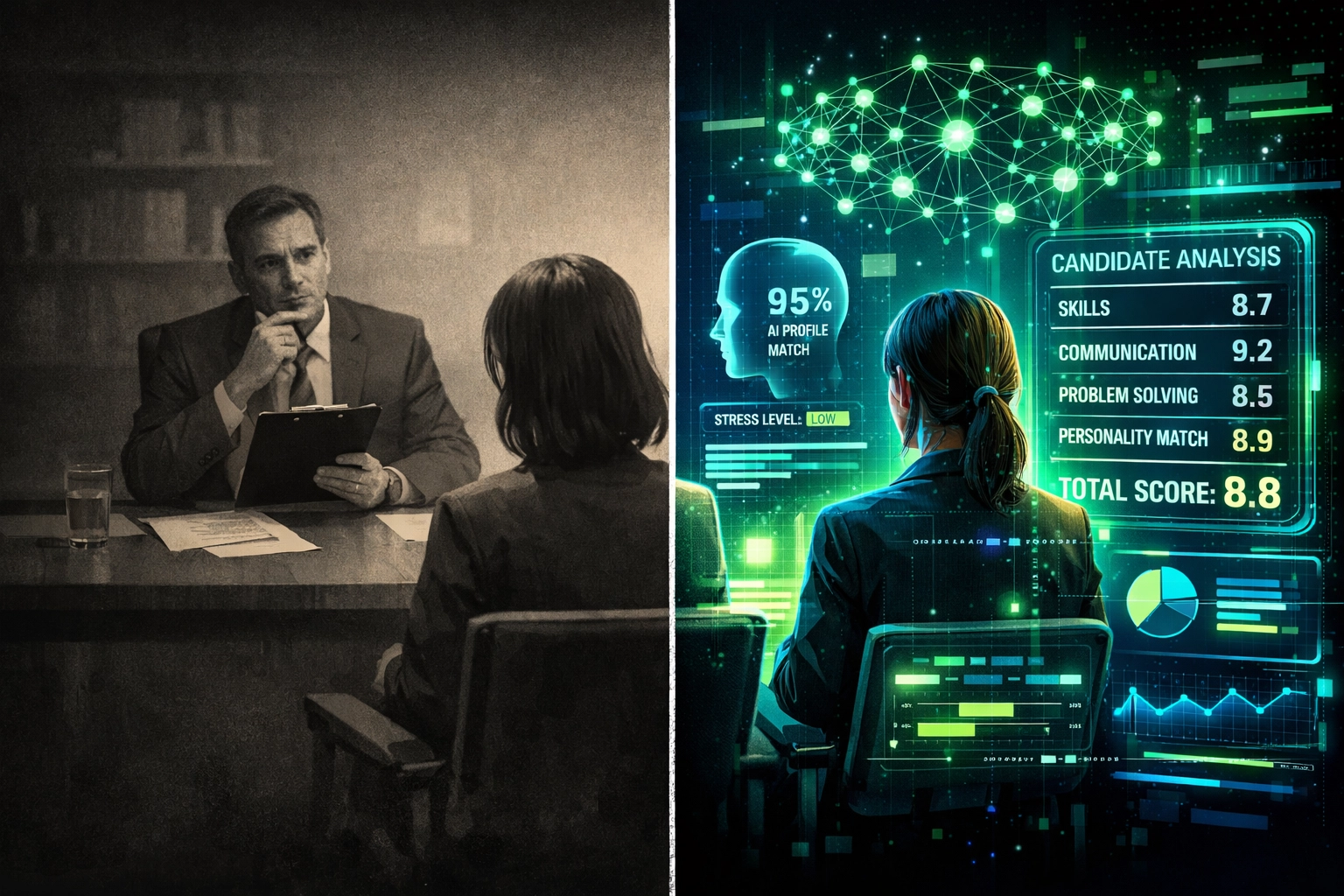
Candidates complete time-boxed micro-assessments measuring numeracy, writing, problem-solving, and domain knowledge specific to your role requirements. AI scores responses consistently and flags competency gaps before you extend an offer.
The beauty of this approach? You eliminate "resume inflation" instantly. A candidate can claim proficiency in data analysis, but a 15-minute assessment will reveal whether they can actually interpret a dataset or just know how to use buzzwords.
For technical roles: software development, data science, financial analysis: skills tests are non-negotiable. For customer-facing roles, they measure communication clarity and problem-solving speed. Either way, you get objective evidence of capability before making a costly commitment.
And here's the kicker: Top candidates appreciate this approach because it gives them a chance to prove their abilities beyond a resume. You attract people who value meritocracy: which means you're building a higher-performing team from day one.
Secret #4: Immersive Simulations Predict Performance Better Than Any Interview
Interviews measure how well someone talks about work. Immersive simulations measure how well they do the work.
AI-driven immersive assessments place candidates in realistic job environments: managing inbound requests, coordinating across teams, handling ambiguous situations: and analyze their behaviors against competencies like empathy, decision-making, and prioritization.
Think of it as a "test drive" for talent. You're not asking hypothetical questions ("Tell me about a time you handled conflict"). You're observing how they navigate conflict in real-time, with real consequences, under real constraints.
This is particularly powerful for:
Contact center roles: Can they de-escalate upset customers while following protocol?
Operations positions: Do they prioritize effectively when everything feels urgent?
Leadership tracks: How do they balance competing stakeholder needs?
The AI summarizes observed behaviors, flags strengths and development areas, and provides hiring teams with predictive performance data: not gut feelings.
Companies using immersive simulations report up to 50% reduction in early-career turnover because they're matching candidates to roles based on proven behavioral fit, not interview performance.
Secret #5: AI Readiness Scores Give You a Universal Hiring Language
Here's your biggest hiring challenge: Every stakeholder has a different definition of "ready."
Your operations manager wants someone who can hit the ground running. Your training team wants someone coachable. Your CEO wants someone who'll stay for five years. Meanwhile, candidates have no idea what "job-ready" even means: so they're guessing their way through applications.
AI Readiness Scores solve this chaos by creating a universal, data-driven standard for job readiness.
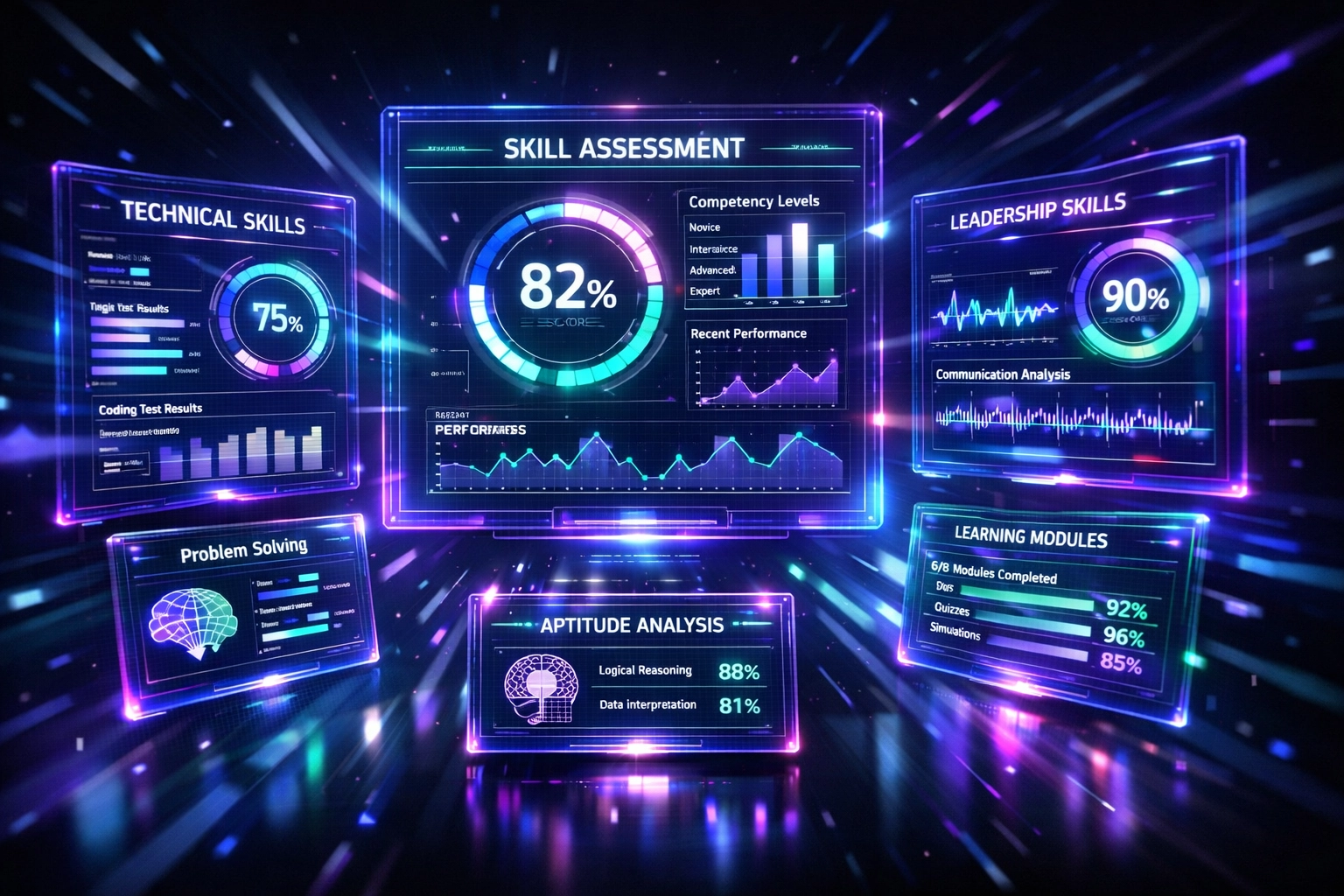
Candidates complete a combination of skills tests, work simulations, and behavioral assessments. AI aggregates their performance across these dimensions into a single, objective Readiness Score that predicts on-the-job success.
You're no longer debating subjective impressions. You're looking at quantified capability across the competencies that drive performance in your specific roles.
For candidates, the Readiness Score becomes a portable credential: proof of capability that follows them from assessment to application to onboarding. They know exactly where they stand and what they need to improve.
For your organization, it transforms hiring from guesswork into precision. You set minimum Readiness Scores for different roles, fast-track high scorers, and provide targeted development for candidates who show potential but need specific skill building.
Want to see this in action? Industry Ready AI is built on exactly this principle: using AI-powered simulations and assessments to generate objective Readiness Scores that help candidates prove their capability and help employers hire with confidence.
The 30-Day Implementation Path
You don't need to overhaul your entire hiring process overnight. Here's how forward-thinking organizations implement AI assessment solutions in 30 days:
Week 1: Identify your highest-volume or highest-stakes role. Map the critical competencies that predict success.
Week 2: Pilot AI-powered work simulations and skills tests with 10-20 candidates. Compare results to traditional interview outcomes.
Week 3: Implement blind scoring and review fairness metrics: candidate representation at each stage, performance across demographics, and early retention data.
Week 4: Scale successful assessments across additional roles and integrate AI Readiness Scores into your ATS workflow.
The result? You're making data-driven hiring decisions in weeks instead of months, reducing time-to-productivity for new hires, and slashing your turnover rate.
Stop Burning Money on Bad Hires
Every failed hire costs you $50,000+ in direct expenses, lost productivity, and team disruption. Multiply that by your annual early-career hiring volume and the number is staggering.
AI assessment solutions don't just reduce hiring costs: they transform your talent pipeline entirely. You attract candidates who value objective evaluation. You eliminate bias from your process. You build teams based on demonstrated capability, not polished credentials.
And you finally close the campus-to-career gap that's been draining your budget for years.
Ready to stop guessing and start hiring with confidence?Explore how LoudMindAI's intelligent automation solutions can transform your recruitment process: or see how Industry Ready AI is helping candidates prove their readiness and employers make smarter hires.
The gap between campus and career is real. But with the right AI-powered assessment strategy, you can close it in 30 days: and never waste $50K on the wrong hire again.
Comments