The Campus-to-Career Gap Will Eat Your Hiring Budget: 7 AI Assessment Secrets That Cut Onboarding Time by 70%
- Monish Kumar

- Feb 18
- 5 min read
Your new hire has a degree. Great resume. Solid GPA. Then day one hits: and they don't know how to run a CRM, interpret real data, or handle a client call without a script.
Welcome to the campus-to-career gap. And it's costing you thousands per hire.
The truth? Traditional hiring processes can't detect job readiness. Degrees prove knowledge. Interviews test charm. References confirm someone showed up. But none of that tells you if your new employee can actually perform on day one.
Here's the kicker: 40% of internships remain unpaid, locking out students who need income. Two-thirds want hands-on experience but don't know where to find it. Career services are underfunded and overwhelmed. So graduates enter your office with theory: and zero muscle memory.
You're stuck bridging that gap with months of onboarding, training programs, and hand-holding. It's slow. It's expensive. And it's entirely avoidable.
AI assessments flip the script. They don't just evaluate candidates: they simulate real-world scenarios, measure decision-making under pressure, and quantify readiness before you ever sign an offer letter. And when deployed correctly, they can cut onboarding time by 70%.
Let's break down the seven AI assessment secrets that make it happen.

Secret #1: Skills Aren't Static: Assess Context, Not Just Competence
Stop asking candidates to list tools they've "used." Anyone can claim proficiency in Excel or Python. The question is: can they apply it in your context?
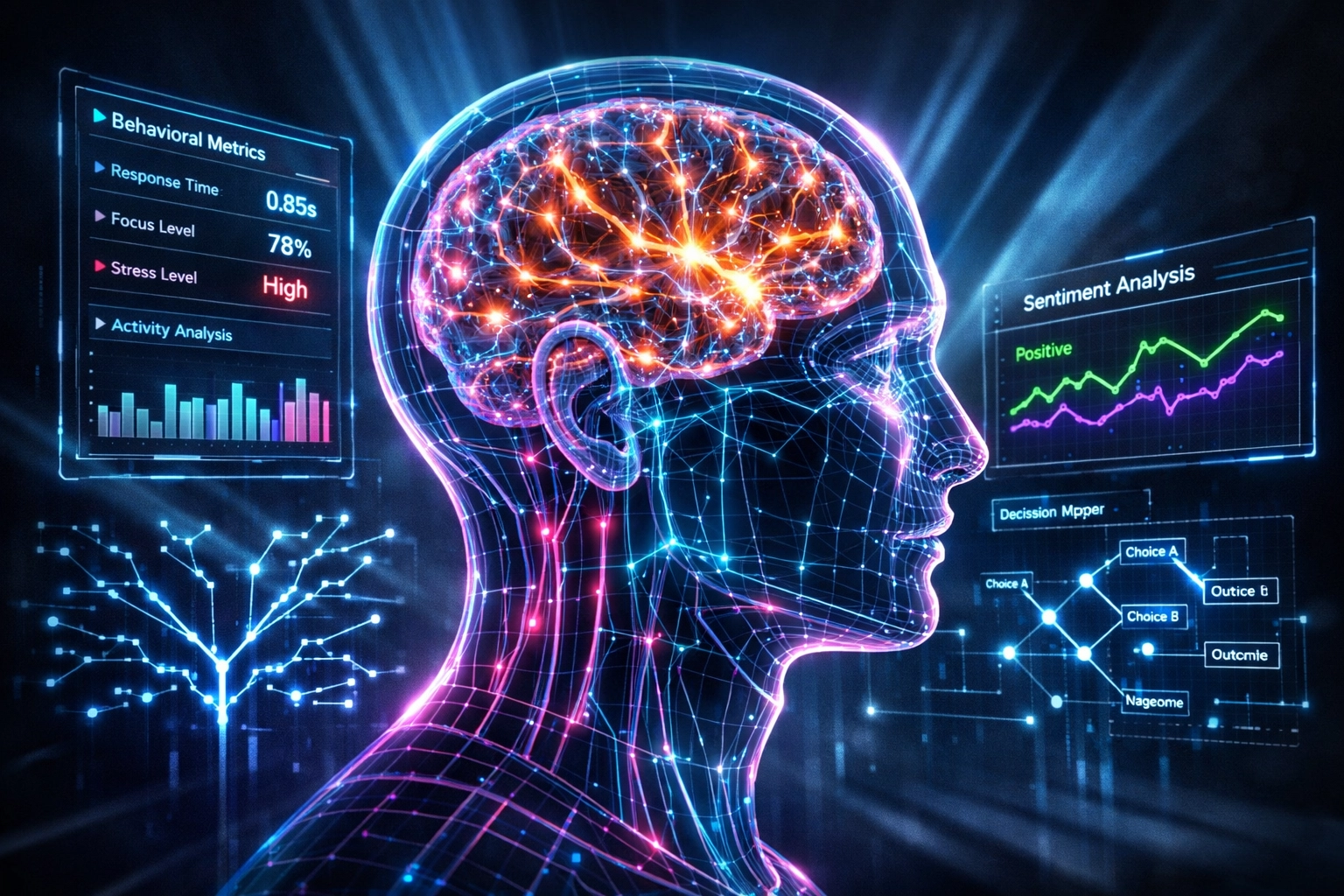
AI-powered assessments don't rely on self-reported skill levels. They drop candidates into real-world simulations: like analyzing messy datasets, debugging broken workflows, or drafting client proposals under time constraints. The AI tracks every decision, flags hesitations, and measures how candidates adapt when curveballs hit.
Why it matters: You're not hiring a résumé. You're hiring someone to solve problems your business faces. Context-driven assessments reveal whether a candidate can think on their feet: or freeze when the scenario gets messy.
Secret #2: Behavioral Signals Beat Multiple Choice Every Time
Traditional assessments test memory. AI assessments test behavior.
Here's the difference: a multiple-choice quiz asks, "What's the best way to handle an upset customer?" An AI simulation puts the candidate in the conversation: complete with tone analysis, response timing, and decision trees that branch based on their choices.
Natural language processing (NLP) evaluates how they communicate. Do they deflect blame? Show empathy? Escalate too quickly? The AI doesn't just score right or wrong: it maps their instincts.
The edge: Behavioral data predicts performance better than any credential. A candidate who stays calm under simulated pressure will likely do the same when your biggest client calls with a crisis.
Secret #3: The Readiness Score Replaces the Resume Guessing Game
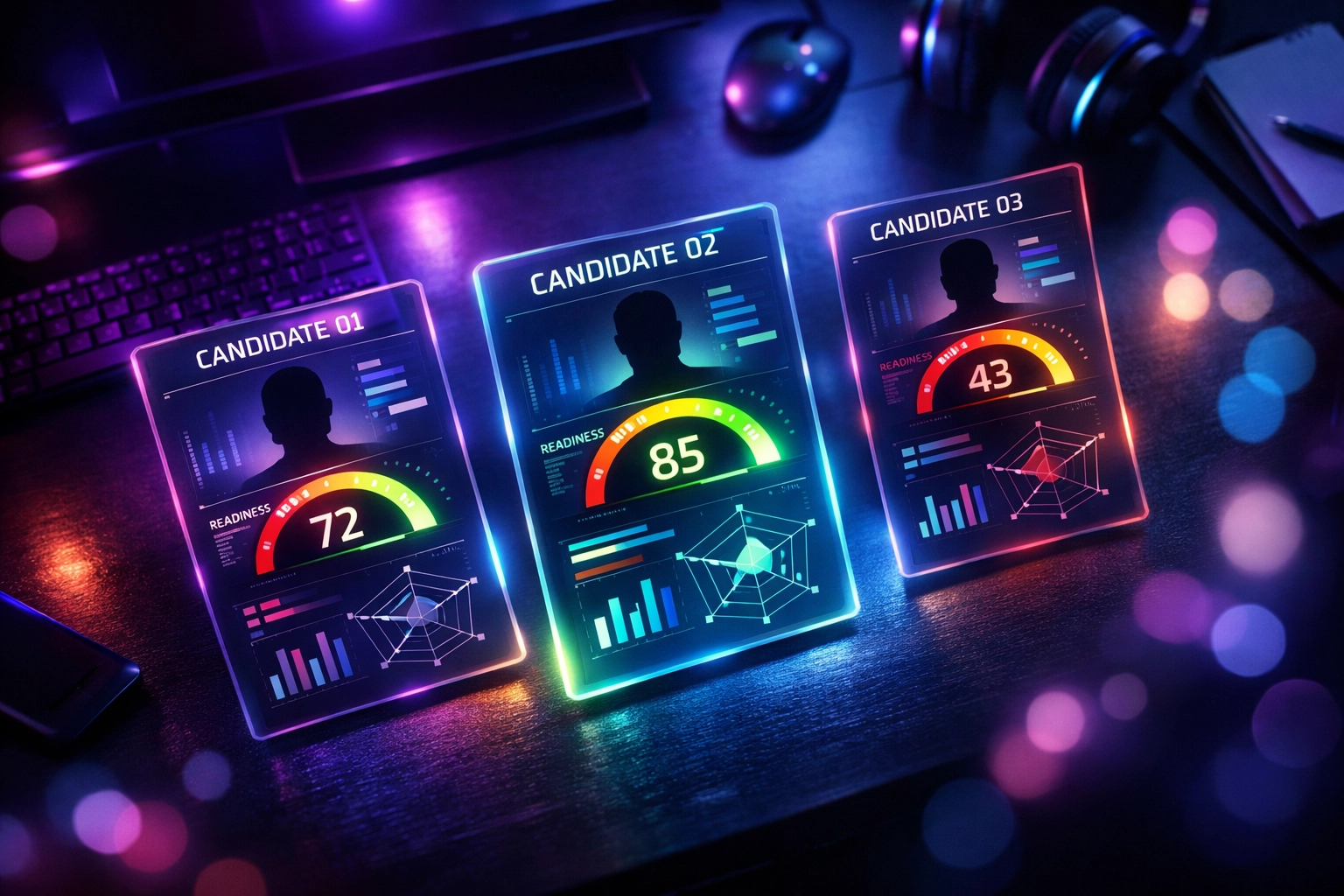
Résumés are retrospective. They tell you what someone did. A Readiness Score tells you what they can do right now.
AI assessments aggregate performance across simulations, knowledge checks, and real-time problem-solving tasks: then distill it into a single, actionable metric. Think of it as a credit score for job readiness.
Instead of spending hours debating whether Candidate A's internship at Company X is better than Candidate B's degree from University Y, you get a number. And that number is grounded in data: not gut feel.
Pro tip: At LoudMindAI, we've built this exact system into our Industry Ready AI platform. Students train against real-world scenarios. Employers see Readiness Scores before they schedule a single interview. No more hiring roulette.
Secret #4: Intelligent Automation Solutions Make Assessments Scale
You can't manually assess 200 applicants. But AI can: overnight.
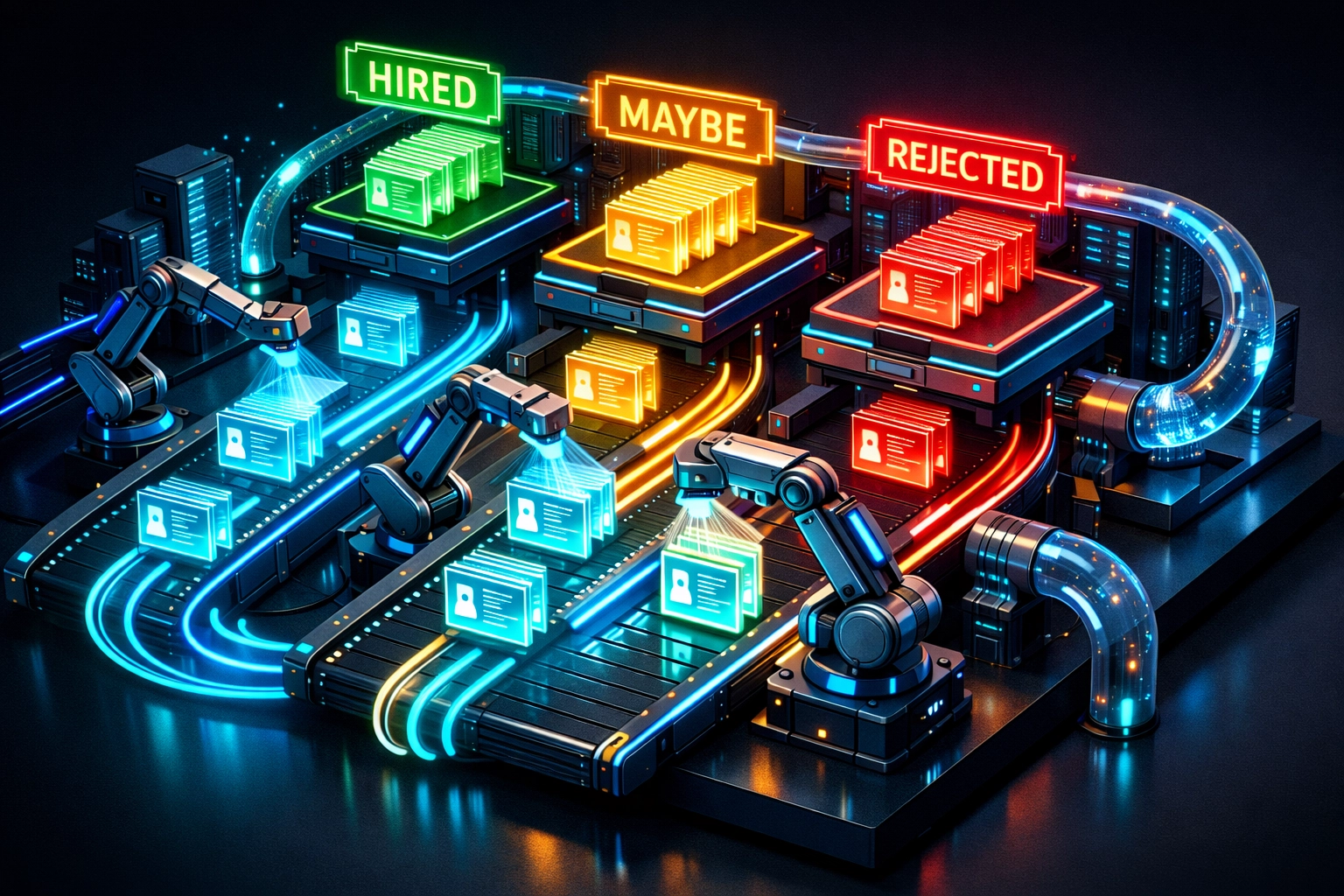
Intelligent automation solutions handle the heavy lifting: candidate invitations, simulation deployment, performance tracking, and scoring: all without human intervention. The system learns from each cohort, adjusting difficulty and flagging edge cases that need human review.
This isn't generic automation. It's custom AI solutions tailored to your industry. A marketing agency needs different simulations than a logistics company. AI assessments adapt.
The payoff: Your hiring team reviews only the top 10% of candidates: pre-filtered by AI that's already stress-tested their readiness. You compress weeks of screening into 48 hours.
Secret #5: NLP Solutions Decode Soft Skills in Hard Data
"Good communicator" is the most useless phrase on a résumé. Everyone claims it. Few deliver.
NLP solutions turn soft skills into measurable data. AI analyzes written responses, video interviews, and simulated conversations: tracking clarity, tone, adaptability, and persuasion tactics. It flags candidates who over-explain, dodge questions, or fail to simplify complex ideas.
You get insights like:
Empathy score based on language patterns in customer scenarios
Collaboration readiness measured by how candidates respond to team-based simulations
Conflict navigation tracked through branching dialogue trees
Soft skills stop being a black box. They become quantifiable: and comparable across candidates.
Secret #6: Pre-Onboarding Training Loops Close the Gap Before Day One
Here's where it gets wild: AI assessments don't just evaluate: they train.
If a candidate scores low on a specific skill during assessment, the AI generates personalized micro-lessons and practice scenarios. They retake modules, improve, and return with a higher Readiness Score: all before you send the offer letter.
You're not lowering standards. You're accelerating readiness.
By the time your new hire walks through the door, they've already practiced your workflows, absorbed your processes, and ironed out knowledge gaps. Day one becomes productive: not just paperwork.
This is the model behind Industry Ready AI. Students don't just get assessed: they get ready. Employers don't just hire faster: they hire smarter.
Secret #7: Data-Driven Hiring Kills Bias and Saves Budget
Let's talk money. The average cost-per-hire in the U.S. hovers around $4,700. Onboarding adds another $1,200–$1,800. If your new hire quits in six months because they weren't ready? You're starting over: and doubling the cost.
AI assessments cut bad hires by removing subjective bias. The algorithm doesn't care about pedigree, alma mater, or whether a candidate "seems like a culture fit." It cares about performance data.
And because assessments predict job readiness more accurately than interviews, you reduce turnover. Employees who enter ready stay longer. You save on rehiring, retraining, and lost productivity.
The 70% onboarding reduction? That's not magic. It's math. When new hires arrive equipped with context, skills, and confidence, you skip months of ramp-up time.
The Campus-to-Career Gap Isn't Going Away: But You Can Stop Paying For It
Colleges are underfunded. Internships are inaccessible. Career prep programs are inconsistent. These aren't problems you can solve overnight.
But you can stop absorbing the cost.
AI assessments let you screen for readiness, not potential. You identify candidates who can perform: not just interview well. You onboard faster, train smarter, and retain longer.
And if you're a student or recent grad reading this? The message is simple: stop hoping employers will train you. Start proving you're ready. Platforms like Industry Ready AI exist for exactly this reason: bridging the gap with AI-powered simulations, feedback loops, and that all-important Readiness Score.
The campus-to-career gap will keep draining hiring budgets until someone builds the bridge. AI assessments are that bridge.
Your move: stop guessing. Start measuring. And watch onboarding time collapse while performance soars.
Ready to see how AI assessments transform hiring? Explore Industry Ready AI and discover how LoudMindAI's intelligent automation solutions are rewriting the rules of talent readiness: one data-driven hire at a time.
Comments