The AI Readiness Score Matters: Why Your Next Hire Should Be Assessed Before Day One
- Monish Kumar

- Jan 24
- 5 min read
Here's a hard truth most HR departments won't admit: your hiring process is stuck in 2015.
You're still evaluating candidates based on degrees, years of experience, and whether they can "work well in a team." Meanwhile, the workplace has fundamentally shifted. AI automation is reshaping every industry. Intelligent automation solutions are eliminating entire job functions while creating new ones overnight.
And yet: you're hiring people without any clue whether they can actually thrive in an AI-driven environment.
It's time to flip the script. Your next hire shouldn't just have the right resume. They should have the right AI Readiness Score.
The Hiring Blind Spot No One Talks About
Companies spend billions on organizational AI readiness assessments. They evaluate their data infrastructure, leadership alignment, technology stack, and governance frameworks. Smart move.
But here's the massive blind spot: they completely ignore individual readiness.
You can have the most sophisticated custom AI solutions deployed across your organization. You can invest in cutting-edge NLP solutions that transform customer interactions. None of it matters if the humans operating alongside these systems can't adapt, collaborate, and leverage them effectively.
The result? Expensive AI implementations that underperform. New hires who struggle to keep pace. A widening gap between what your technology can do and what your people actually deliver.
What Is an AI Readiness Score for Candidates?
Let's be clear: this isn't some abstract concept floating in Silicon Valley boardrooms. An AI Readiness Score for candidates is a systematic evaluation of an individual's preparedness to work effectively in AI-augmented environments.
Think of it as the missing layer in your hiring stack.
While traditional assessments measure technical skills, cognitive ability, and cultural fit, an AI Readiness Score measures something fundamentally different:
AI Literacy: Do they understand how AI automation actually works? Can they distinguish between hype and reality?
Adaptability Quotient: How quickly can they learn new AI-powered tools? Do they embrace change or resist it?
Human-AI Collaboration Skills: Can they effectively delegate tasks to AI agents while maintaining oversight and quality control?
Critical Evaluation Ability: Do they know when to trust AI outputs: and when to question them?
Ethical Awareness: Do they understand the implications of AI decisions, including bias, privacy, and governance concerns?
This isn't about hiring "tech people" for non-tech roles. It's about ensuring every hire: from marketing to operations to customer success: can function in a workplace where intelligent automation solutions are the norm, not the exception.
Why Traditional Hiring Fails in the AI Age
Let's run a scenario.
You hire a talented operations manager. Great resume. Solid references. Interviews like a pro. They start on Monday.
By Wednesday, they're drowning. Your company uses AI-powered workflow automation through tools like Zapier and Make. Your customer service runs on voice AI agents. Your data insights come from sentiment analysis dashboards that require interpretation, not just reading.
Your new hire? They've never worked with any of it. They don't know how to prompt an AI assistant effectively. They can't troubleshoot when the automation breaks. They're terrified of the autonomous AI agents handling multi-step processes because they don't understand the logic.
This isn't their fault. It's yours.
You never assessed their AI readiness. You assumed a degree and five years of experience would translate. It didn't.
Now you're spending the next three months on remedial training: or worse, starting the hiring process all over again.

The Campus-to-Career Gap Is Getting Wider
Here's where things get really concerning.
Universities are pumping out graduates who've barely touched real-world AI applications. Sure, they might have taken an "Introduction to Machine Learning" elective. Maybe they played with ChatGPT for a few assignments.
But can they:
Integrate AI automation into daily workflows?
Work alongside NLP solutions that handle customer communications?
Understand how knowledge-first RAG systems ground AI responses in private company data?
Navigate the ethical complexities of AI-driven decision-making?
Overwhelmingly, the answer is no.
The campus-to-career gap isn't just about soft skills anymore. It's about AI fluency. And companies that don't bridge this gap during the hiring process end up doing it on the job: at a much higher cost.
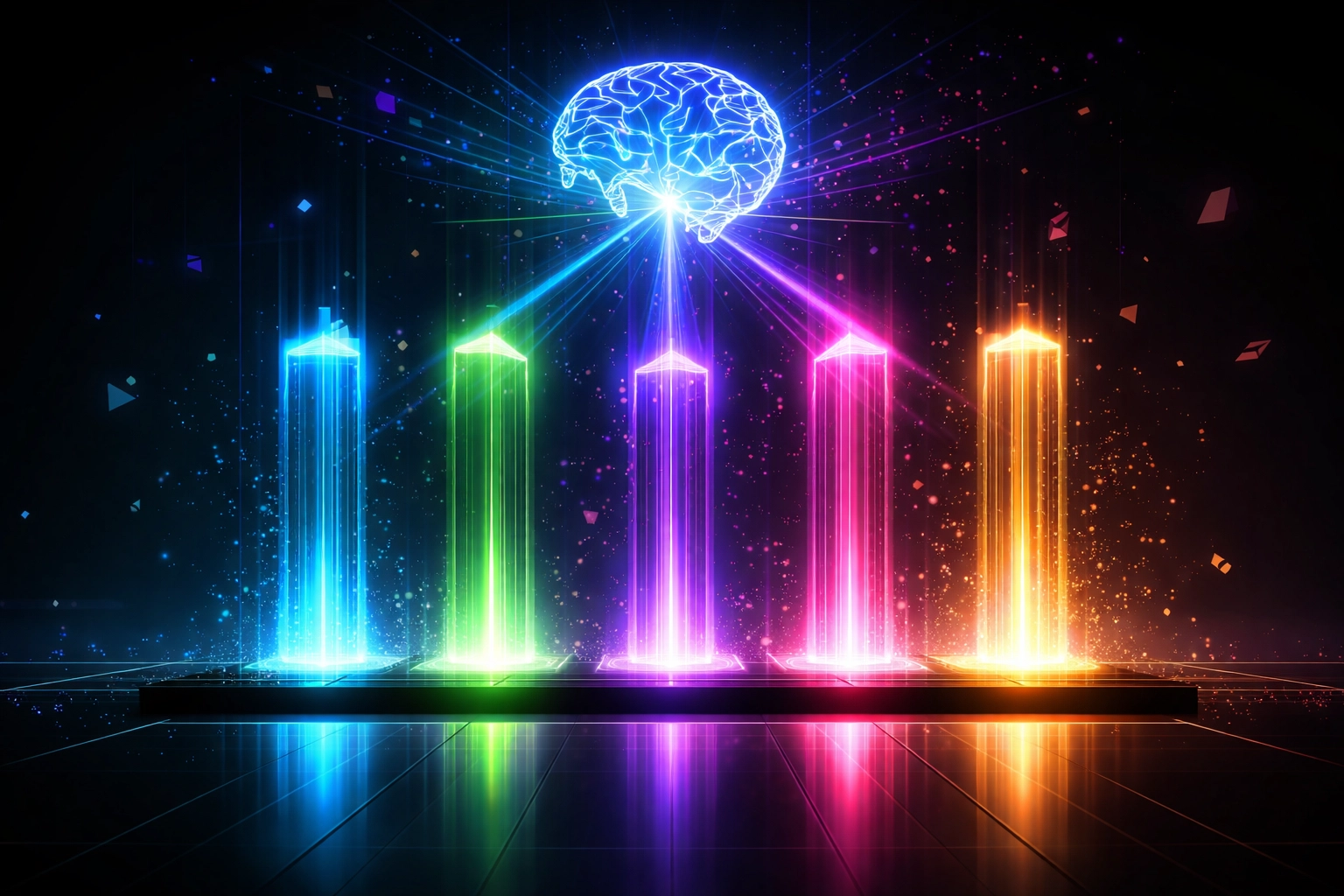
The Five Pillars of Candidate AI Readiness
If you're serious about assessing AI readiness before Day One, here's the framework you need:
1. Technical Familiarity
Not coding ability: familiarity. Can they navigate AI-powered tools? Do they understand basic concepts like prompting, automation triggers, and data inputs? Have they worked with any intelligent automation solutions in previous roles or projects?
2. Learning Velocity
AI tools evolve constantly. The candidate who can learn a new platform in two days will outperform the one who needs two weeks: every single time. Assess how quickly they pick up new technologies during the interview process itself.
3. Process Thinking
AI automation excels at executing processes. But humans need to design, optimize, and troubleshoot those processes. Does the candidate think in systems? Can they map workflows and identify automation opportunities?
4. Judgment and Oversight
AI makes mistakes. It hallucinates. It misinterprets context. Your hire needs to know when to trust AI outputs and when to intervene. This requires critical thinking that no algorithm can replicate.
5. Ethical Grounding
AI governance isn't just for compliance teams. Every employee working with AI needs basic awareness of bias, privacy implications, and responsible use. This is especially critical for roles involving customer data or decision-making.
How to Implement AI Readiness Assessments
Ready to actually do something about this? Here's your action plan:
Step 1: Define Role-Specific AI Requirements Not every role needs the same AI readiness. A data analyst working with custom AI solutions needs different competencies than a sales rep using voice AI agents. Map the specific AI touchpoints for each position.
Step 2: Build Assessment Scenarios Forget generic aptitude tests. Create real-world scenarios using your actual tools. How would the candidate troubleshoot a failed automation? How would they interpret an AI-generated report? How would they prompt an AI assistant to complete a complex task?
Step 3: Score Objectively Develop a rubric. Weight each pillar based on role requirements. Compare candidates not just against each other: but against a minimum threshold that ensures Day One readiness.
Step 4: Plan Targeted Onboarding Even high-scoring candidates will have gaps. Use assessment results to customize onboarding. Maybe they need extra training on your specific NLP solutions. Maybe they need a workshop on AI governance. Either way, you'll know before they start.
The LoudMindAI Advantage
At LoudMindAI, we don't just deploy AI solutions: we help organizations build AI-ready cultures from the ground up.
Our AI training and workshops equip your teams with the skills they need to work alongside autonomous AI agents, workflow automation, and custom LLMs. Our AI strategy audits identify gaps not just in your technology stack, but in your human capital.
We believe in eliminating barriers to AI entry. That means expert-led implementation, privacy-first deployment that keeps your data sovereign, and plug-and-play solutions that don't require a PhD to operate.
Whether you're building internal AI readiness assessments or looking to upskill your existing workforce, we've got the tools and expertise to make it happen.
Explore our AI consultation services and start building a team that's ready for what's next.
The Bottom Line
The companies winning in 2026 aren't just the ones with the best AI tools. They're the ones with the best AI-ready people.
Your next hire's resume won't tell you if they can thrive in an AI-augmented workplace. Their references won't reveal whether they can collaborate with autonomous agents or interpret NLP-driven insights.
Only an AI Readiness Score will.
Stop hiring for yesterday's workplace. Start assessing for tomorrow's.
Your next great hire isn't just qualified. They're ready.
Comments