The Campus-to-Career Gap Is a Lie: Why Your 'Readiness Score' Matters More Than Your GPA
- Monish Kumar

- Feb 2
- 4 min read
Let's get one thing straight: the campus-to-career gap isn't a lie. It's brutal, real, and costing companies millions while leaving 41% of recent grads in jobs that don't even require their degree.
But here's the lie you've been sold: that this gap exists because students aren't learning enough, or colleges aren't teaching enough, or the curriculum needs another overhaul. The real problem? You're measuring the wrong thing.
Your GPA is a report card on yesterday. Your Readiness Score is a blueprint for tomorrow. And if you're still hiring: or job hunting: based on a 4.0, you're already behind.
The GPA Myth: Why 3.8 Doesn't Mean Job-Ready
You spent four years optimizing for a number that tells employers exactly one thing: you're good at college. Not collaboration. Not adaptability. Not problem-solving under pressure. Just... college.
Meanwhile, over half of community college students admit they know "somewhat, very little, or nothing" about the actual skills required for their chosen career. They crushed exams, aced essays, and walked across that stage: straight into three to six months of unemployment.
The disconnect isn't a mystery. Colleges have operated in academic silos while employers screamed into the void about critical skills gaps. And GPA? It never stood a chance at bridging that chasm because it was never designed to.
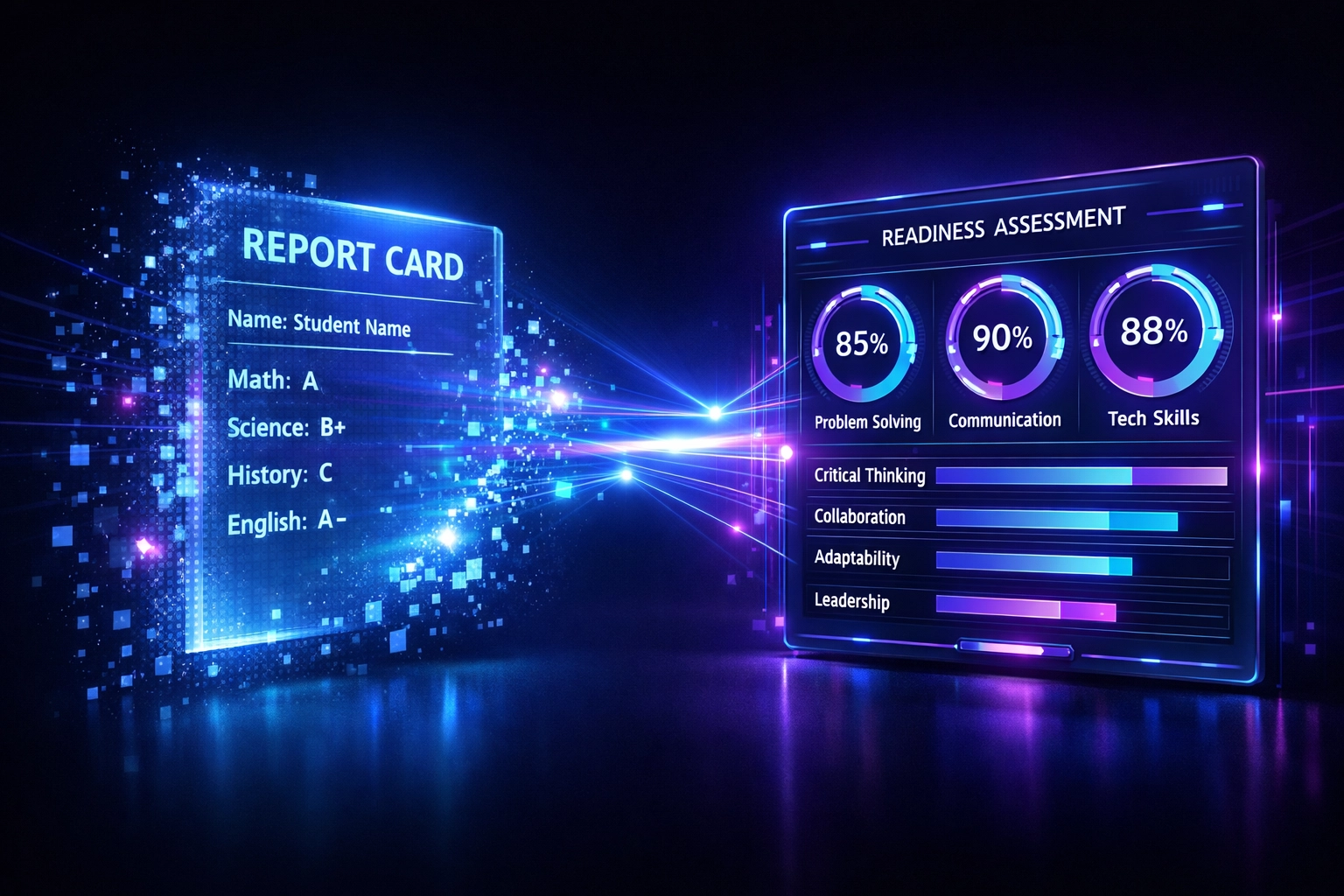
Enter the Readiness Score: The Metric That Actually Predicts Success
A Readiness Score isn't some feel-good certificate you print and frame. It's a data-driven assessment of whether you can actually do the job: before day one.
Think of it as your career credit score. It evaluates:
Technical proficiency in role-specific tools and platforms
Soft skills like communication, teamwork, and time management
Industry knowledge beyond textbook theory
Adaptability to real-world problem-solving scenarios
Workplace readiness including professionalism and collaboration
Unlike GPA, which is backward-looking and static, a Readiness Score is forward-looking and dynamic. It evolves as you learn, grow, and gain experience. And here's the kicker: it's measurable, comparable, and actually correlates with job performance.
The Data Doesn't Lie (Even If the Narrative Does)
Students who participate in comprehensive career readiness programs are 34% more likely to land a job in their field within six months. They also earn roughly 18% higher starting salaries than peers without structured preparation.
Wake Forest University's "College to Career" program hit a 98.5% employment or grad school enrollment rate within six months. Bauer College saw employer ratings of students' soft skills: communication, teamwork, professionalism: double or triple after implementing mandatory career development coursework.
Those aren't flukes. They're proof that when you assess and develop actual readiness, the gap doesn't just shrink: it closes.
And yet, 53% of recent grads are still unemployed or underemployed. Not because they're lazy. Not because they're unprepared academically. But because nobody measured: or built: their readiness.

How AI Assessments Are Changing the Game
Here's where intelligent automation solutions stop being buzzwords and start solving real problems.
Traditional assessments: multiple choice tests, essay prompts, panel interviews: are slow, subjective, and terrible at predicting job performance. AI assessments powered by NLP solutions and adaptive learning models can evaluate hundreds of competencies in real-time, simulate workplace scenarios, and deliver a Readiness Score that's actually actionable.
Custom AI solutions can:
Analyze communication patterns to assess collaboration skills
Simulate role-specific challenges to test problem-solving under pressure
Track skill development over time with personalized learning pathways
Benchmark candidates against industry standards: not just other students
Provide granular feedback that actually helps candidates improve
These aren't hypothetical use cases. Companies using AI automation for pre-hire assessments are seeing faster time-to-productivity, lower turnover, and better culture fit: because they're hiring based on readiness, not résumé fluff.
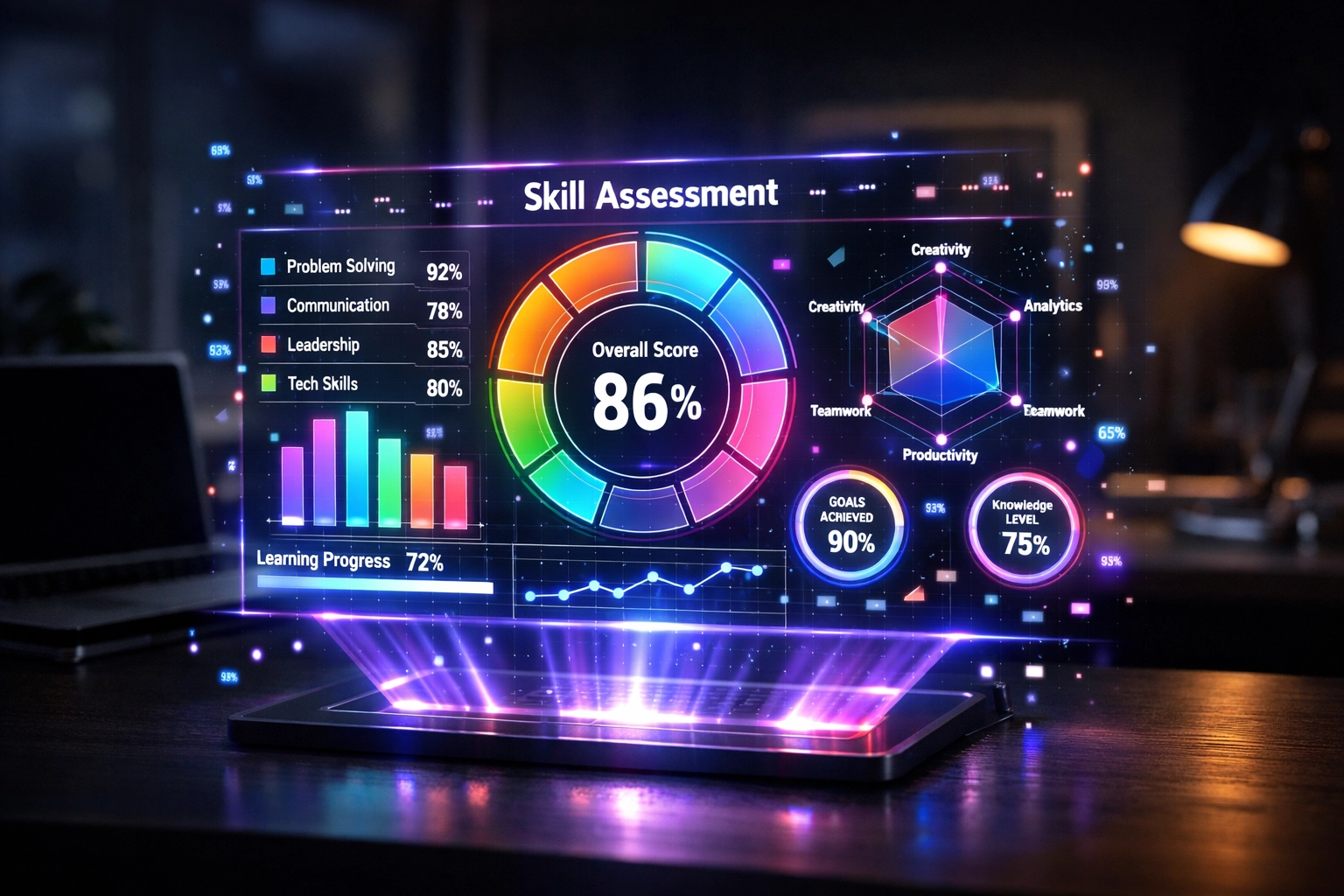
What Companies Should Do Right Now
If you're still filtering candidates by GPA cutoffs, you're leaving top talent on the table. Here's how to shift your hiring strategy:
1. Adopt Readiness-Based Hiring Replace: or at least supplement: GPA requirements with Readiness Score assessments. Partner with platforms that use AI-driven evaluations to measure real competencies.
2. Build Internal Readiness Pipelines Work with universities and bootcamps to co-create curriculum that maps directly to your needs. If students graduate with a high Readiness Score in your stack, you've just built a talent pipeline.
3. Leverage AI for Continuous Assessment Use custom ai solutions to assess not just entry-level hires but your entire team. Readiness isn't a one-time metric: it should evolve with skills, roles, and industry shifts.
4. Close the Feedback Loop Share what "ready" actually looks like. When candidates know what you're measuring, they can prepare. When colleges know what you need, they can deliver.
What Students (and Job Seekers) Should Do
Stop obsessing over your GPA. Start building your Readiness Score. Here's how:
Get Assessed Early and Often Seek out platforms that offer skills assessments in your field. Identify gaps before you graduate: not after six months of rejected applications.
Prioritize Experiential Learning Internships, co-ops, project-based courses, freelance gigs: anything that builds real-world competencies. Your Readiness Score will reflect this. Your GPA won't.
Develop the Skills Employers Actually Want Spoiler: they're not in your textbook. Communication, adaptability, collaboration, time management, critical thinking: these are the difference between employed and underemployed.
Track Your Progress Treat your career readiness like you treat your fitness. Measure it. Improve it. Document it. A high Readiness Score is proof you can do the job: and that's worth more than a 4.0 ever was.
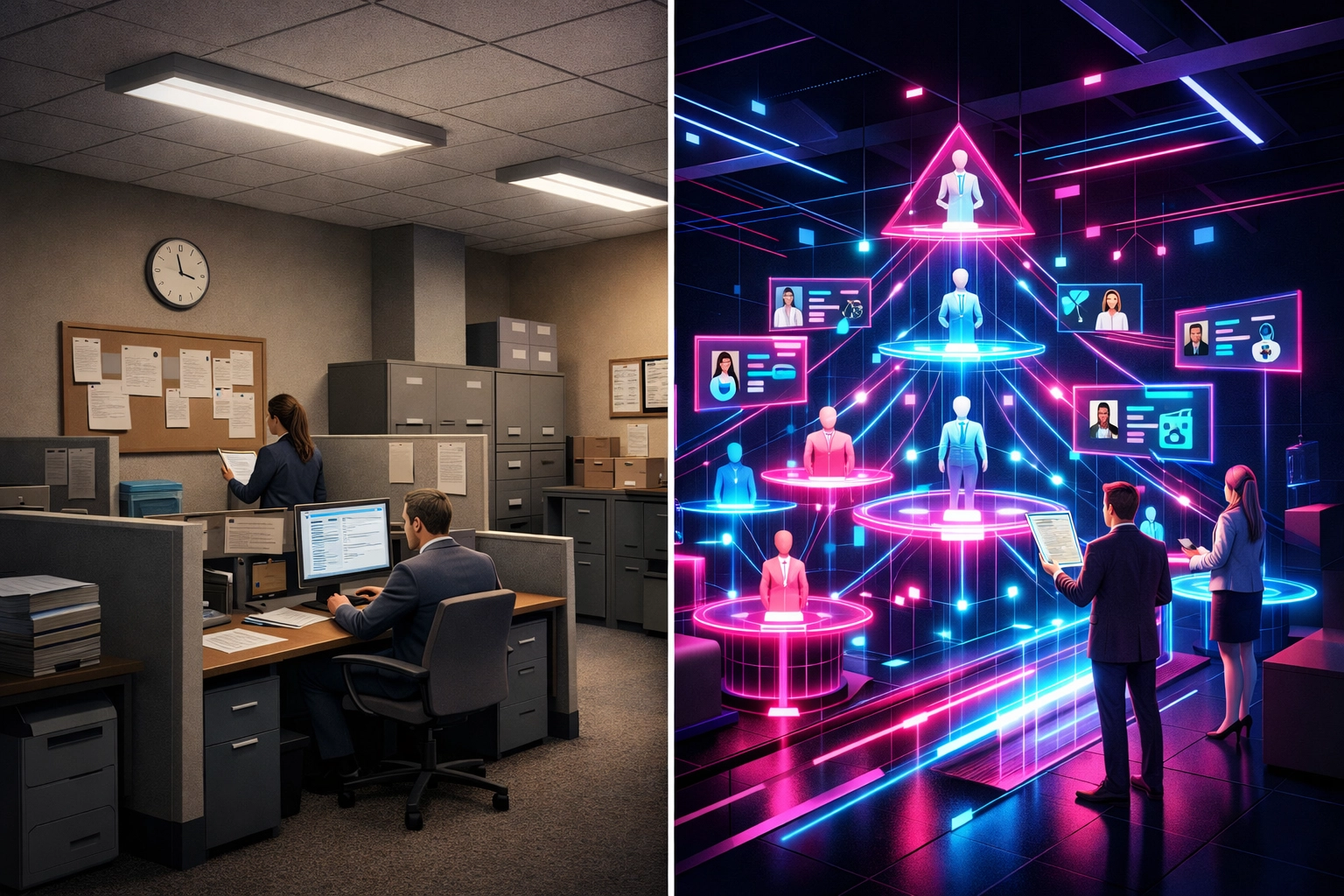
The Future Is Readiness-First
The campus-to-career gap isn't going anywhere until we stop pretending GPA is the answer. It's not. It never was.
The companies winning the talent war are the ones measuring what actually matters. The students landing jobs faster and earning more are the ones building readiness, not chasing grades. And the institutions bridging the gap are the ones using ai automation and data-driven assessments to close the loop.
If you're still stuck in the GPA mindset: whether you're hiring, job hunting, or educating: you're solving yesterday's problem. The Readiness Score is today's solution.
The gap isn't a lie. But the way we've been trying to close it? That's the real fiction.
Ready to rethink how you assess talent or build your career? Start measuring what matters. Because in 2026, readiness isn't just a score( it's the only metric that predicts success.)
Comments