The Campus-to-Career Gap Is Costing You $50K Per Hire: Why AI Assessments Beat Resumes Every Time
- Monish Kumar

- Feb 12
- 5 min read
You just spent six months hiring a fresh graduate. Two weeks in, you realize they can't do the job. The resume said "proficient in Python." The reality? They copied code from Stack Overflow during their final project and have zero problem-solving skills.
Welcome to the $50K mistake you're making every single time you hire based on resumes alone.
The Real Numbers Behind Your Campus Hiring Disaster
Let's talk facts. Only 30% of 2025 graduates secured full-time jobs in their field: down from 41% the year before. That's a 27% drop in a single year. And here's the kicker: nearly half of recent grads admit they feel unprepared to even apply to jobs, let alone perform in them.
But you already knew something was broken, didn't you?
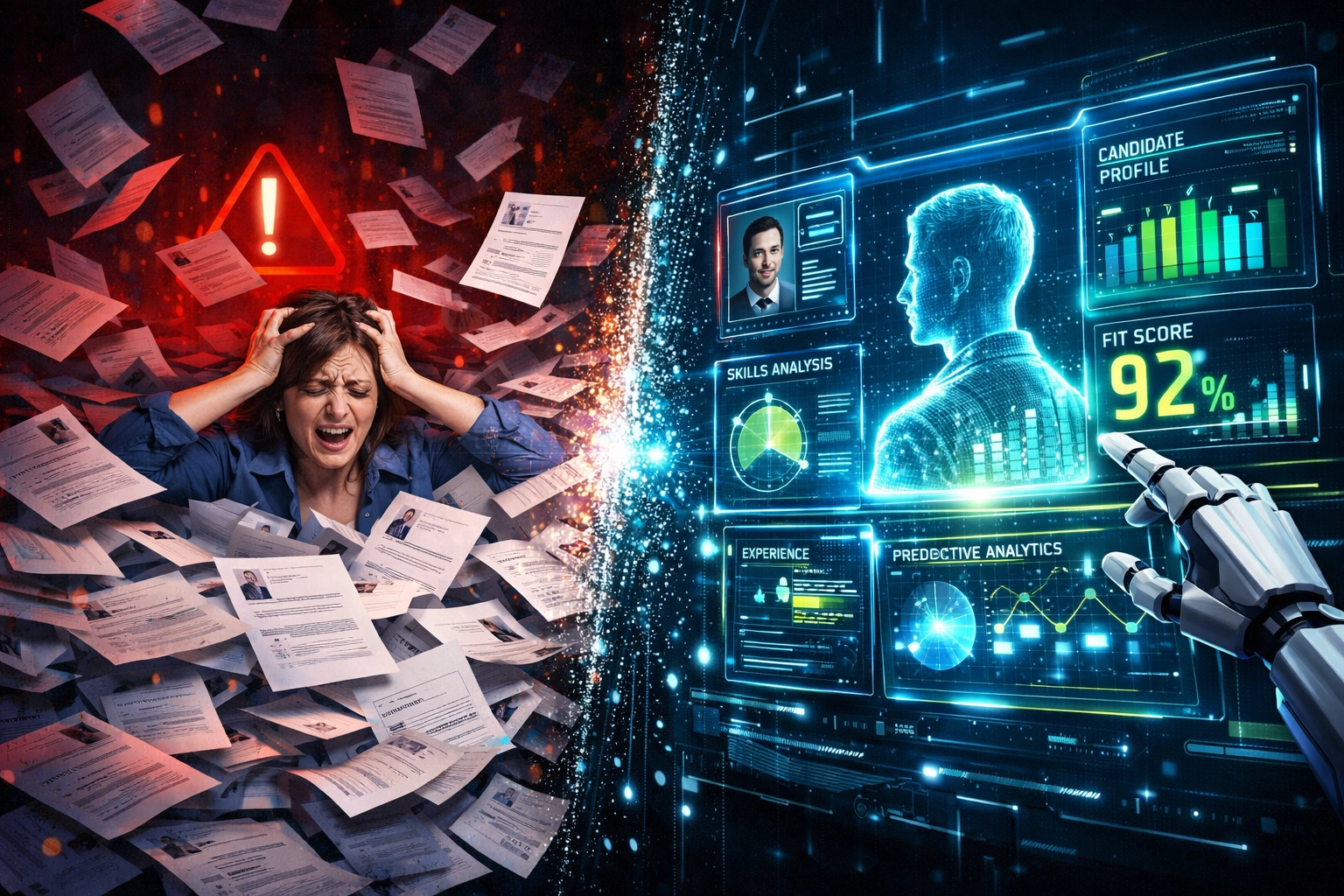
Your HR team spends weeks screening hundreds of identical resumes. Same format. Same buzzwords. Same inflated claims about "leadership experience" from organizing one college event. You schedule interviews, invest time training new hires, and then watch 40% of them flame out within the first six months.
The average cost of a bad hire? Industry estimates range from $15K to $50K when you factor in recruiting costs, training time, lost productivity, and the morale hit your team takes when they have to pick up the slack.
Why Resumes Are Theater, Not Truth
Here's what a resume actually tells you: this person knows how to use a template and list things they claim to have done. That's it.
Resumes don't measure:
Actual problem-solving ability under pressure
Adaptability when requirements change mid-project
Communication skills in real work scenarios
Technical proficiency beyond surface-level familiarity
Critical thinking when facing ambiguous challenges
The fundamental disconnect? Employers prioritize job-specific technical skills. Universities emphasize soft skills like critical thinking and communication: but don't actually measure them in real-world contexts. You get a piece of paper that says "graduated with honors" and absolutely zero insight into whether this person can deliver results on day one.
71% of employers now require a two- or four-year degree for entry-level roles: up from 55% in 2024. But the degree itself has become less predictive of job performance than ever before.
What AI Assessments Actually Measure (And Why It Matters)
AI-powered assessments flip the script entirely. Instead of evaluating what someone claims they can do, you measure what they actually demonstrate they can do.
Here's how intelligent automation solutions powered by AI change the game:
Real-Time Skill Validation Custom AI solutions can assess technical proficiency through live coding challenges, design problems, or scenario-based simulations. Not multiple-choice questions: actual work samples that mirror day-one job tasks.
Behavioral Pattern Recognition Advanced NLP solutions analyze communication style, problem-solving approach, and collaboration patterns during assessment exercises. You get quantifiable data on soft skills that resumes only vaguely hint at.
Bias Reduction at Scale AI assessments standardize evaluation criteria across all candidates. No more unconscious bias based on school name, GPA inflation differences, or how well someone networks at career fairs. Just performance data.
Predictive Analytics Machine learning models can correlate assessment performance with successful employee outcomes in your specific organization. Over time, you build a data-driven profile of what actually predicts success in your roles.
The Skills Gap Is a Measurement Gap
Surveys consistently show that graduates fall short on professional skills including leadership, communications, adaptability, problem-solving, drive, and resilience. But here's the uncomfortable truth: universities do teach many of these skills. They just never measure them properly.
A student might have excellent analytical skills from research projects: but that never shows up on a resume in a quantifiable way. Another candidate might have genuine leadership experience from organizing community initiatives: but on paper, it looks identical to someone who just attended a few club meetings.
AI assessments create what traditional hiring processes never could: a Readiness Score that quantifies actual capability across multiple dimensions. Not a GPA. Not a bullet point. A data-driven metric that predicts job performance.
20% of students report their programs didn't help them build professional networks. Over a third wished for more employer partnerships. The gap isn't just in skills: it's in validated, verifiable demonstration of those skills to potential employers.
How This Works in Practice
Let's get concrete. You're hiring for a junior data analyst position. Traditional approach: screen 200 resumes, interview 20 candidates based on who went to "good schools" or had impressive internships, make an offer, and cross your fingers.
AI assessment approach:
Deploy a customized assessment that mirrors actual work tasks: data cleaning, basic analysis, presenting findings
Evaluate all applicants on the same standardized metrics using AI automation
Rank candidates by demonstrated performance, not resume pedigree
Interview only top performers who've already proven baseline competency
Make data-backed hiring decisions with predictive confidence
The time savings alone justify the investment. But the real ROI? Hiring people who actually succeed in the role.
One LoudMindAI client in the fintech sector reduced their campus hire turnover rate by 60% in the first year after implementing AI assessments. Another cut their time-to-productivity from six months to six weeks. These aren't marginal improvements: they're game-changers.

The Internship Reality Check
Research shows that internships drive better outcomes: students who complete them see stronger job placement rates. Why? Because internships are essentially extended performance assessments. Employers get to evaluate real work product over time.
But most companies can't afford to run massive internship programs as screening mechanisms. And students often can't afford to take unpaid or underpaid internships to prove themselves.
AI assessments deliver the same verification value as a three-month internship in a three-hour assessment window. You get to see how candidates think, work, and perform under conditions that mirror actual job demands.
Your Next Hire Doesn't Have to Cost $50K in Mistakes
The campus-to-career gap isn't going away. The job-finding rate for college graduates has declined to levels similar to high school graduates. Universities are struggling to keep pace with rapidly evolving skill demands in AI, automation, and data-driven fields.
But you don't have to keep making the same expensive hiring mistakes.
Custom AI solutions for candidate assessment aren't some distant future possibility: they're operational today. Companies using AI-powered hiring platforms report:
50-70% reduction in time-to-hire
40-60% improvement in first-year retention
30-50% decrease in recruiting costs
Measurably better job performance from new hires
The technology exists. The data proves it works. The only question is whether you'll keep relying on resumes that tell you nothing, or start using assessments that tell you everything.
Stop Hiring Theater. Start Hiring Talent.
Every resume-based hire is a gamble. Every AI assessment is a data point. Which would you rather bet $50K on?
The students graduating today face a fundamentally different job market than existed even five years ago. They need validated ways to demonstrate readiness. You need reliable ways to identify genuine capability. AI assessments bridge that gap: eliminating the costly mismatch between campus credentials and career performance.
Your next great hire is probably buried somewhere in a pile of identical resumes right now. They have the skills you need. They just can't prove it through traditional channels.
AI can prove it for them. And save you $50K in the process.
Ready to stop gambling on resumes and start hiring with confidence? Explore how LoudMindAI's intelligent automation solutions transform campus-to-career hiring with AI-powered assessments that actually predict job performance.
Comments